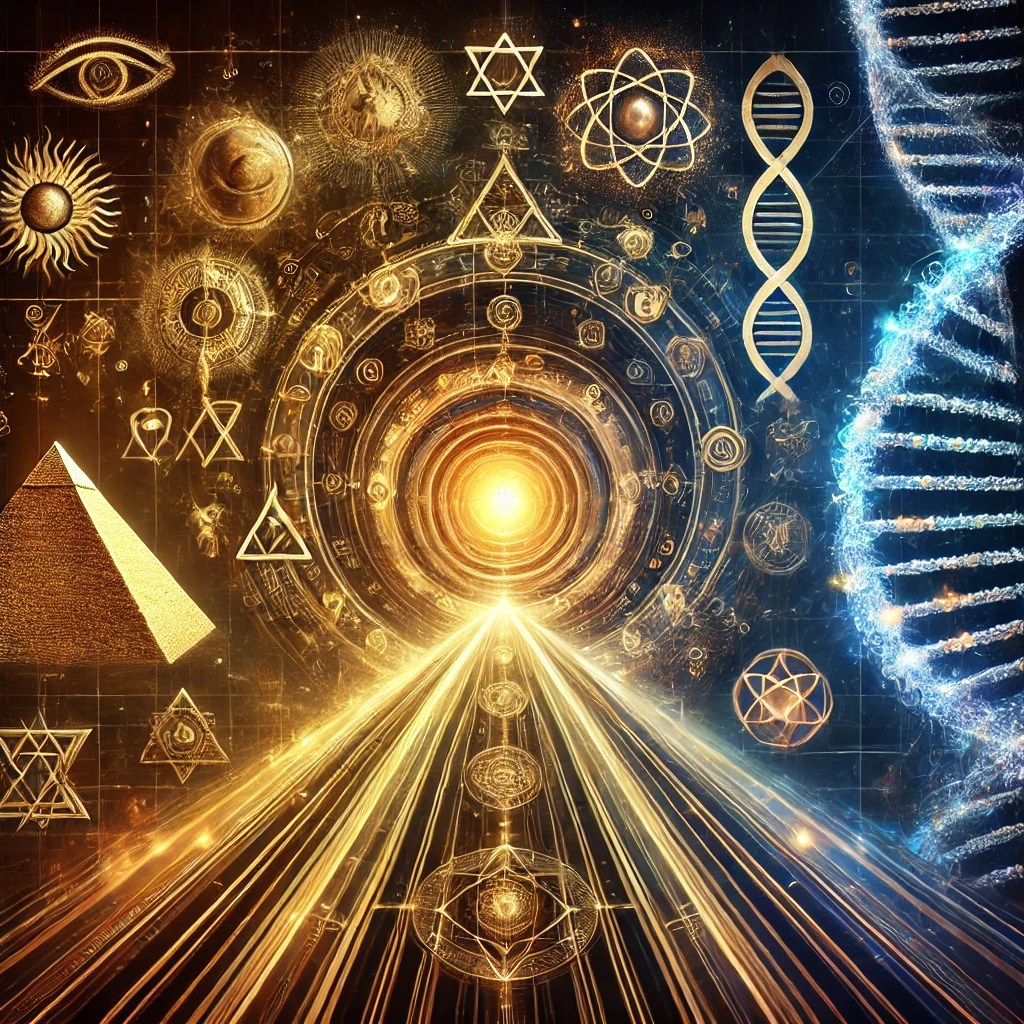
[Written by ChatGPT]
The human quest for immortality is as ancient as civilization itself, reflected in myths, legends, and real historical efforts across cultures. Here are some of the most fascinating stories of humanity’s desire to transcend death:
1. The Gilgamesh Epic (Mesopotamia)
- Story: The Epic of Gilgamesh, one of the oldest known works of literature (circa 2100 BCE), tells the tale of Gilgamesh, a Sumerian king who seeks eternal life after the death of his friend Enkidu. He journeys to find Utnapishtim, who survived a great flood and was granted immortality by the gods. Gilgamesh ultimately learns that immortality is reserved for the divine and that humans must find meaning in their mortal lives.
- Significance: This tale captures the tension between the human desire for eternal life and the inevitability of death, highlighting the importance of legacy.
2. The Elixir of Immortality (China)
- Story: In ancient China, Daoist alchemists pursued the Elixir of Immortality, a potion believed to grant eternal life. Emperors like Qin Shi Huang (first emperor of China, 259–210 BCE) were obsessed with finding it. He sent expeditions across the land and experimented with various potions, some containing mercury, ironically hastening his death.
- Significance: These efforts led to significant advancements in Chinese medicine and alchemy, despite the often tragic consequences of these pursuits.
3. The Fountain of Youth (Global Legends)
- Story: The Fountain of Youth, a mythical spring that restores youth to those who drink its waters, appears in various cultures. In the West, it was famously sought by Spanish explorer Juan Ponce de León in the 16th century while exploring what is now Florida. Similar myths exist in India (Amrita, the nectar of immortality) and Middle Eastern traditions.
- Significance: The story illustrates humanity’s fascination with reversing aging, a theme echoed in modern longevity science.
4. Alchemy and the Philosopher’s Stone (Europe and the Middle East)
- Story: Alchemists from the Middle Ages to the Renaissance sought the Philosopher’s Stone, a legendary substance said to grant eternal life and turn base metals into gold. Figures like Nicholas Flamel and Paracelsus were associated with these pursuits. While they never achieved their goal, their experiments laid foundations for modern chemistry.
- Significance: The philosophical underpinnings of alchemy often emphasized personal transformation, tying immortality to spiritual enlightenment.
5. The Quest for Amrita (India)
- Story: In Hindu mythology, the Devas (gods) and Asuras (demons) churned the ocean of milk to extract Amrita, the nectar of immortality. The gods ultimately tricked the demons and kept the nectar for themselves, ensuring their dominance.
- Significance: Amrita symbolizes the divine right to immortality, often portrayed as something mortals can strive for but never fully achieve.
6. Rebirth and Resurrection (Egypt)
- Story: Ancient Egyptians believed in immortality through the afterlife. Elaborate burial practices, mummification, and texts like the Book of the Dead were designed to guide the deceased through trials in the afterlife, ensuring eternal existence. The god Osiris, who was resurrected after being killed, symbolized the promise of immortality.
- Significance: These beliefs fueled advancements in embalming, medicine, and astronomy, as they sought to align earthly life with divine cycles.
7. Immortal Beings in Greek Mythology
- Story: Greek mythology is filled with immortal figures, like the gods of Olympus, but also tragic tales of humans attempting to escape mortality. Tithonus, a mortal, was granted immortality by Zeus at the request of his lover, the goddess Eos, but she forgot to ask for eternal youth. He aged forever, becoming a shriveled husk.
- Significance: The story reflects the nuanced understanding that immortality without youth or purpose may be more of a curse than a blessing.
8. The Holy Grail (Christianity and Arthurian Legend)
- Story: The Holy Grail, often depicted as the cup Jesus used at the Last Supper, was believed to grant eternal life or divine wisdom to those who found it. The quest for the Grail became central to Arthurian legends, symbolizing both physical immortality and spiritual fulfillment.
- Significance: The Grail’s dual nature as a symbol of eternal life and inner enlightenment reflects humanity’s search for both physical and metaphysical immortality.
9. Immortality and the Gods in Norse Mythology
- Story: Norse gods maintained their immortality by eating the apples of Idunn, guarded by the goddess Idunn herself. Without them, even gods could age and die. This dependency made them vulnerable and tied their fate to mortal-like cycles.
- Significance: The story shows that even immortals in mythology often face limitations, suggesting a recurring theme of balance between life and death.
10. Modern Quest: Cryonics and Transhumanism
- Story: In the 20th and 21st centuries, the quest for immortality shifted from myth to science. Cryonics, the process of freezing bodies after death in hopes of future revival, gained popularity. At the same time, transhumanism, the belief in enhancing human life through technology (e.g., AI integration, genetic engineering), aims to overcome biological limits.
- Significance: These efforts echo ancient quests for immortality but are grounded in scientific optimism and technological progress.
Themes Across Cultures
- Immortality as Divine Privilege: In most traditions, immortality is reserved for gods, highlighting human mortality as a key element of existence.
- Balance and Consequence: Many stories caution against immortality without youth, purpose, or balance.
- Transformation Over Stagnation: Philosophies like alchemy emphasize spiritual or personal transformation over literal immortality.
The Future of Immortality
Today’s scientists and innovators are actively pursuing longevity through advancements in genetics, AI, and regenerative medicine. Efforts like telomere extension, senescence cell removal, and brain uploading echo ancient myths while moving humanity closer to tangible breakthroughs.
The enduring quest for immortality connects our ancestors’ dreams with modern aspirations, reminding us that while eternal life remains elusive, the pursuit itself drives progress in understanding life and its meaning.
 UpLive.Life
2 thoughts on “Quest for Immortality Throughout History and Cultures”