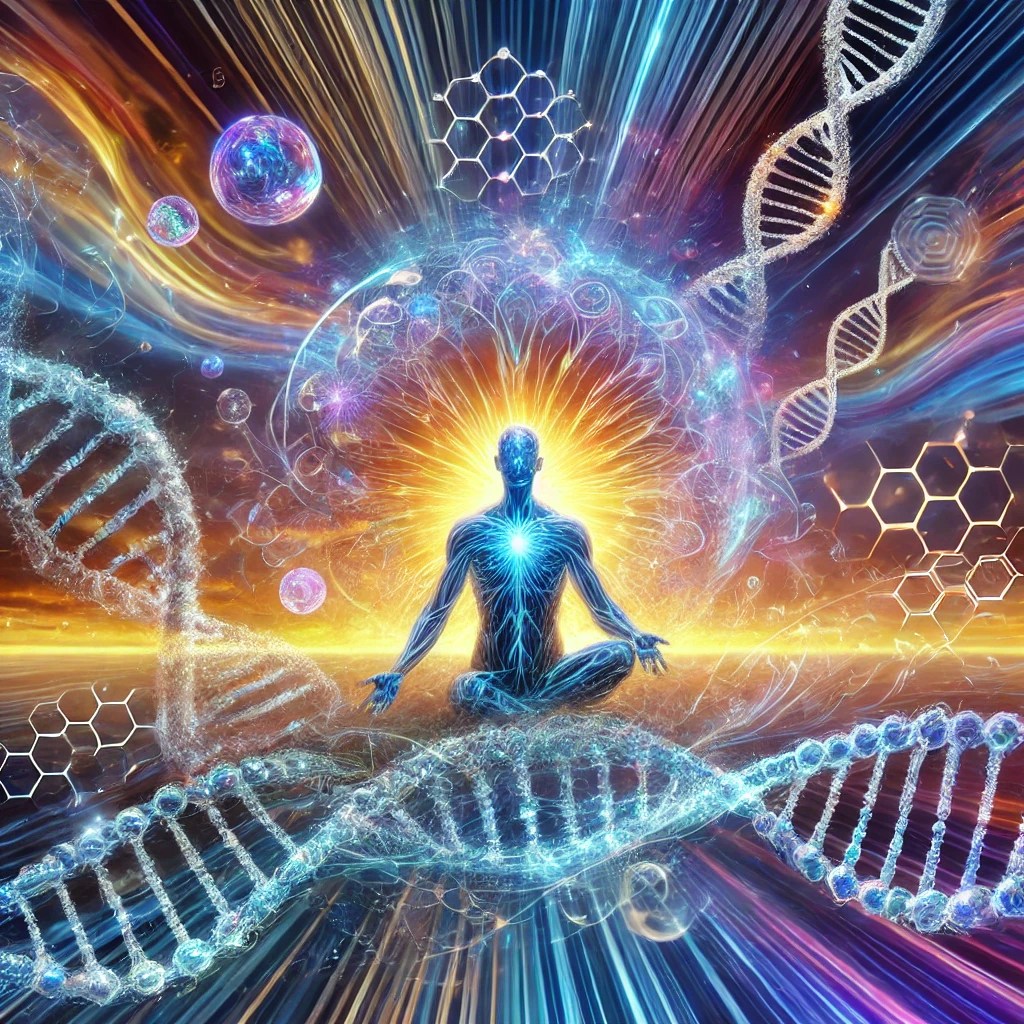
[Written by ChatGPT]
As humanity continues to push the boundaries of science, technology, and philosophy, the future of mind, body, and longevity is teeming with exciting possibilities. These advancements could revolutionize how we live, age, and perceive health. Here’s a glimpse into what the future might hold:
1. Extending Lifespan and Healthspan
- Longevity Escape Velocity: Advances in regenerative medicine and biotechnology could enable humans to live long enough for science to continually repair aging damage faster than it occurs, potentially leading to “biological immortality.”
- Senolytics: Drugs that remove senescent cells (aging cells) to prevent them from causing damage.
- Telomere Extension: Techniques to lengthen telomeres, the protective caps on chromosomes that shorten with age.
- Epigenetic Reprogramming: Using gene therapies to reset cells to a younger state.
- Aging as a Treatable Condition: Scientists are increasingly viewing aging itself as a disease that can be slowed or reversed, leading to treatments focused on preventing chronic age-related illnesses like Alzheimer’s and heart disease.
2. Advancements in Regenerative Medicine
- Organ Regeneration and Replacement:
- 3D Bioprinting: Printing fully functional organs using a patient’s own cells to eliminate transplant shortages and rejection risks.
- Lab-Grown Tissues: Creating replacement tissues for damaged hearts, livers, and other organs.
- Stem Cell Therapy: Leveraging stem cells to regenerate damaged tissues and repair injuries that were once considered irreversible.
- Gene Therapy: Using tools like CRISPR to correct genetic defects, prevent diseases, and even enhance physical and cognitive abilities.
3. Enhancing Cognitive Abilities
- Brain-Computer Interfaces (BCIs):
- Neuralink (by Elon Musk) and similar technologies aim to connect the human brain directly to computers, enabling memory augmentation, faster learning, and seamless communication with AI.
- Applications include restoring mobility to paralyzed individuals and enhancing human intelligence.
- Cognitive Preservation:
- Whole Brain Emulation: Uploading the human mind to a digital platform to preserve consciousness indefinitely.
- Neuroprosthetics: Devices that enhance or replace brain functions, potentially treating degenerative diseases like Alzheimer’s.
- AI-Powered Mental Health Tools: Machine learning algorithms could provide hyper-personalized mental health solutions, offering real-time support for stress, anxiety, and depression.
4. Biohacking and Personalized Health
- Wearable and Implantable Health Tech:
- Devices that monitor blood glucose, heart rate, and other health metrics in real-time, offering tailored advice for optimizing health.
- Smart implants that continuously monitor and regulate bodily functions, like insulin delivery for diabetics.
- Precision Medicine:
- Leveraging genetic testing to create highly personalized diets, exercise regimens, and medications.
- Using AI to predict and prevent illnesses before symptoms arise.
- Synthetic Biology: Engineering new biological functions, such as creating cells that produce anti-aging compounds or resist diseases.
5. Integration of Ancient Wisdom and Modern Science
- Mindfulness and Neuroscience:
- Combining ancient practices like meditation and yoga with modern tools like brain imaging to optimize mental health and emotional resilience.
- Virtual reality (VR) mindfulness programs that immerse users in calming environments to reduce stress.
- Plant-Based and Precision Diets:
- Leveraging the wisdom of Blue Zones (regions with the longest-lived populations) to develop diets that maximize longevity.
- Genomic diets tailored to an individual’s unique DNA.
6. Overcoming Physical Limitations
- Prosthetics and Enhancements:
- Next-generation prosthetics controlled by neural signals that provide greater strength and precision than biological limbs.
- Exoskeletons to assist the elderly or disabled in regaining mobility and independence.
- Augmented Reality (AR) and Virtual Reality (VR) Fitness:
- Immersive fitness experiences that gamify exercise and keep users motivated.
- VR simulations for rehabilitation after injuries or surgeries.
7. Longevity Equity
- Global Health Initiatives:
- Efforts to make longevity technologies accessible to all, reducing health disparities across socioeconomic and geographic boundaries.
- Affordable gene therapies, vaccines, and preventative treatments for developing nations.
- Cultural Shifts:
- Societies may redefine the purpose of life and aging, embracing a longer healthspan as an opportunity for lifelong learning and contribution.
8. Artificial Intelligence and Longevity Science
- AI-Driven Drug Discovery:
- Algorithms that analyze massive datasets to identify potential anti-aging drugs in weeks rather than years.
- Custom medications tailored to individual genetic profiles.
- Predictive Analytics:
- Using AI to predict when an individual is at risk of developing diseases and intervening early with precision treatments.
- Continuous monitoring of health metrics to optimize daily habits.
9. Ethical and Philosophical Questions
As science brings us closer to longer lifespans, new ethical dilemmas will arise:
- Who Gets Access? Longevity technologies may initially be expensive, raising concerns about inequality.
- Overpopulation: Could extended lifespans strain resources and the environment?
- Redefining Aging and Death: What does it mean to age gracefully in a world where aging may be optional?
- Purpose of Life: If people live for centuries, how might their goals, relationships, and sense of purpose change?
10. The Visionary Possibility: Conscious Immortality
The ultimate possibility may lie in a fusion of biology and technology:
- Digital Immortality: Preserving consciousness through brain uploading, allowing humans to exist in virtual environments indefinitely.
- Human-Machine Integration: Becoming “cyborgs” with enhanced bodies and minds capable of adapting to any environment, even space.
- Colonizing Space: Extended lifespans could enable humanity to explore and colonize distant planets, fulfilling our quest for survival and transcendence.
What This Means for Humanity
The future of mind, body, and longevity represents not just the possibility of living longer but living better. By integrating ancient wisdom, modern science, and futuristic technology, humanity is on the cusp of redefining what it means to thrive.
These advances will challenge us to confront deep questions about identity, equality, and the nature of existence. But they also hold the promise of unlocking extraordinary potential, creating a world where individuals can live longer, healthier, and more fulfilling lives.
 UpLive.Life
One thought on “The Future Possibilities of Mind, Body, and Longevity”