[Written by Gemini 2.0 Flash Thinking Experimental]
Report on Human Emotions: Exploring Atlas of the Heart, Neurobiological Foundations, and Cultivating Emotional Well-being
Introduction:
Human emotions are the vibrant tapestry of our inner lives, coloring our experiences, driving our actions, and shaping our relationships. They are complex, multifaceted, and often perplexing, yet understanding them is crucial for navigating the human experience with greater awareness and resilience. This report delves into the fascinating world of human emotions, drawing upon the comprehensive framework presented in Brené Brown’s “Atlas of the Heart,” exploring the neurobiological underpinnings of emotion within the brain, and examining the interplay between conscious and unconscious processing. Finally, we will consider pathways to deepen our emotional experience and cultivate greater control over our emotional lives.
1. The Expansive Spectrum of Human Emotions: An Atlas of the Heart Perspective and Beyond
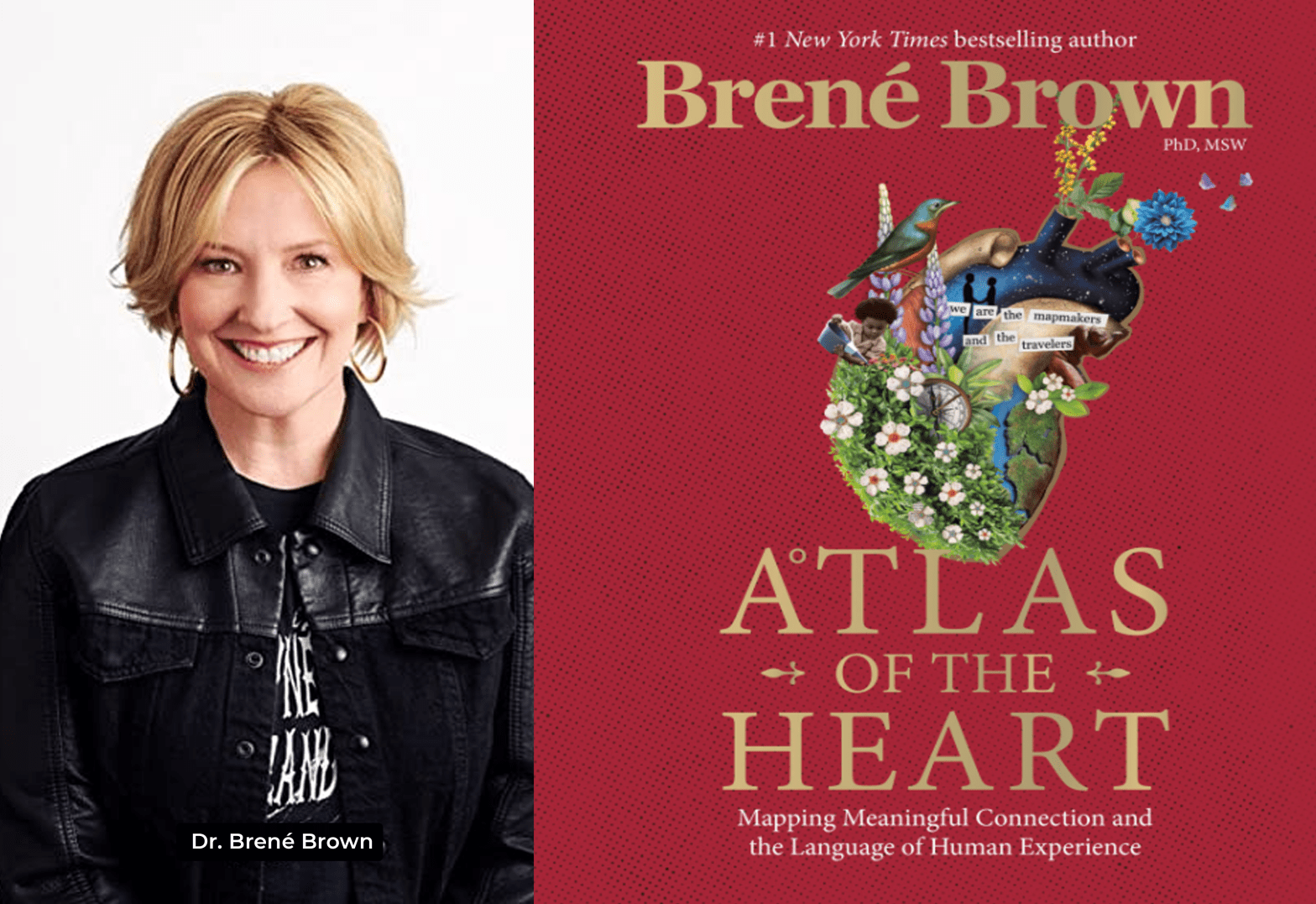
Brené Brown’s “Atlas of the Heart” offers a profound exploration of 87 emotions and experiences, meticulously categorized to help us develop a nuanced emotional vocabulary. This “atlas” provides a valuable framework for understanding the vast landscape of human feeling. Brown categorizes these experiences into clusters, helping us distinguish between similar but distinct emotions. Some key clusters explored in “Atlas of the Heart” and expanded upon by broader emotional research include:
- Places We Go When Things Are Hard: This cluster encompasses emotions triggered by adversity and challenge. Brown highlights emotions like stress, overwhelm, anxiety, fear, vulnerability, disappointment, sadness, grief, and loneliness. Expanding on this, we can include related emotions such as frustration, anger (as a secondary emotion to pain), hopelessness, and despair. These emotions are often adaptive responses to perceived threats or losses, prompting us to seek safety, connection, or problem-solving strategies.
- Places We Go When Things Are Okay: This cluster focuses on the emotional landscape of relative contentment and normalcy. Brown includes emotions like calm, peace, contentment, joy, gratitude, and hope. We can broaden this to include serenity, optimism, interest, and amusement. These emotions foster well-being, resilience, and positive social connections.
- Places We Go With Others: This cluster explores emotions experienced in social contexts and relationships. Brown distinguishes between connecting emotions like love, belonging, empathy, compassion, kindness, and joy and disconnecting emotions such as jealousy, resentment, anger (as a disconnecting behavior), shame, and guilt. Further, she explores emotions around comparison and self-compassion. We can expand this to consider emotions like admiration, respect, trust, betrayal, rejection, and contempt. These emotions are fundamental to our social fabric, influencing our cooperation, competition, and attachment patterns.
- Overwhelmed Places: Brown also identifies emotions related to feeling overwhelmed and uncertain, including confusion, frustration (as a feeling of being blocked), and feeling stuck. This can be broadened to include cognitive overload, mental fatigue, and a sense of being lost or directionless. These emotions often arise when faced with complexity, ambiguity, or a lack of control.
Beyond Brown’s “Atlas,” the field of affective science encompasses a wide array of emotions, often categorized along dimensions such as:
- Valence (Positive vs. Negative): Emotions are often broadly categorized as positive (pleasant, desirable, e.g., joy, love, hope) or negative (unpleasant, undesirable, e.g., fear, sadness, anger). However, it’s crucial to recognize that all emotions, even “negative” ones, serve adaptive functions.
- Arousal (High vs. Low): This dimension refers to the intensity of the emotional experience. For example, joy and excitement are high arousal positive emotions, while contentment and peace are low arousal positive emotions. Similarly, anger and panic are high arousal negative emotions, while sadness and boredom are low arousal negative emotions.
- Basic vs. Complex Emotions: Some researchers propose a set of “basic” emotions (e.g., joy, sadness, fear, anger, disgust, surprise) that are considered universal and innate. “Complex” emotions, such as guilt, shame, pride, and jealousy, are thought to emerge later in development and involve cognitive appraisal and social context.
2. The Brain’s Emotional Architecture: Neural Substrates of Emotion
Emotions are not simply abstract feelings; they are deeply rooted in neurobiological processes within the brain. While no single brain region is solely responsible for emotion, a network of interconnected areas works in concert to generate and regulate our emotional experiences. Key brain regions involved in emotion include:
- Amygdala: Often referred to as the “fear center,” the amygdala plays a crucial role in processing and experiencing emotions, particularly fear, anxiety, and threat detection. It is involved in rapid, automatic emotional responses, often operating unconsciously. The amygdala is essential for learning emotional associations (classical conditioning) and triggering the “fight-or-flight” response.
- Prefrontal Cortex (PFC): The PFC, especially the ventromedial prefrontal cortex (vmPFC) and dorsolateral prefrontal cortex (dlPFC), is crucial for the conscious regulation and control of emotions. The PFC is involved in:
- Emotional Regulation: Modulating the intensity of emotional responses, inhibiting impulsive reactions, and reappraising situations to change emotional meaning.
- Executive Functions: Planning, decision-making, and working memory – all of which influence emotional processing and behavior.
- Social Cognition: Understanding and navigating social situations, interpreting social cues, and experiencing social emotions like empathy and guilt.
- Hippocampus: The hippocampus is primarily known for its role in memory, particularly episodic and declarative memory. However, it is also intimately linked to emotion through its connection to the amygdala. The hippocampus encodes the context of emotional experiences, helping us remember emotional events and situations. It also plays a role in emotional learning and memory consolidation.
- Hypothalamus: This small but powerful brain region regulates the body’s physiological responses to emotions through the autonomic nervous system and the endocrine system. The hypothalamus controls functions like heart rate, breathing, sweating, and hormone release (e.g., cortisol, adrenaline) in response to emotional stimuli.
- Anterior Cingulate Cortex (ACC): The ACC is involved in a variety of functions, including error detection, conflict monitoring, and pain perception. In the context of emotion, the ACC plays a role in the subjective experience of emotion, emotional awareness, and the regulation of negative emotions, particularly sadness and anxiety.
- Insula: The insula is crucial for interoception – the awareness of the body’s internal states. It plays a vital role in experiencing a wide range of emotions, including disgust, pain, pleasure, and social emotions like empathy. The insula is thought to integrate visceral and emotional information, contributing to the felt sense of emotion.
3. Conscious vs. Unconscious Emotional Processing: The Interplay of Brain Regions
The prompt raises a critical question: are some emotions more consciously governed by the prefrontal cortex while others are more unconsciously driven by autonomous brain regions? The answer is nuanced and reflects a dynamic interplay between these brain systems.
- Unconscious/Autonomous Emotional Processing: Brain regions like the amygdala, hypothalamus, and parts of the insula are often considered more “autonomous” in their emotional processing. They can rapidly and unconsciously trigger emotional responses, particularly to stimuli perceived as threatening or emotionally salient. For example:
- Fear response: The amygdala can initiate a fear response to a perceived threat (e.g., a loud noise, a snake-like shape) before conscious awareness and cognitive appraisal occur. This is a rapid, adaptive mechanism for survival.
- Gut feelings: The insula’s processing of visceral sensations can contribute to “gut feelings” or intuitive emotional reactions that occur before conscious rationalization.
- Physiological responses to stress: The hypothalamus triggers physiological changes (e.g., increased heart rate, cortisol release) in response to stress before conscious cognitive appraisal of the stressor.
- Conscious/Prefrontal Cortex-Mediated Emotional Processing: The prefrontal cortex enables a more deliberate, conscious, and regulated approach to emotions. The PFC allows us to:
- Identify and label emotions: Consciously recognize and name the emotions we are experiencing (linking to the emotional vocabulary emphasized in “Atlas of the Heart”).
- Reflect on emotions: Think about the causes, consequences, and appropriateness of our emotions.
- Regulate emotional responses: Employ conscious strategies like cognitive reappraisal, suppression, or acceptance to manage the intensity and expression of emotions.
- Integrate emotions into decision-making: Use emotional information to guide rational decision-making in complex social and personal situations.
It is crucial to understand that the conscious and unconscious emotional systems are not entirely separate but interact dynamically. The amygdala and other autonomous regions can trigger rapid emotional responses, while the PFC can subsequently modulate, interpret, and regulate these responses. Furthermore, repeated experiences and learning can influence the interplay between these systems. For example, through therapy or mindfulness practices, individuals can learn to increase their conscious awareness of emotional triggers and develop more effective PFC-mediated emotion regulation strategies.
4. Experiencing Emotions Deeply and Taking Control of Emotional Life:
Experiencing emotions deeply and gaining control over our emotional lives is not about suppressing or avoiding feelings. Instead, it is about developing emotional intelligence, which involves:
- Emotional Awareness (Self-Awareness): The foundation of emotional control is recognizing and understanding our own emotions as they arise. This aligns with Brown’s emphasis on developing an emotional vocabulary. Practices like mindfulness meditation, journaling, and self-reflection can enhance emotional awareness.
- Emotional Vocabulary: As highlighted in “Atlas of the Heart,” having a rich vocabulary to describe our emotions is crucial. Accurately labeling emotions allows us to understand their nuances and triggers, and communicate them effectively to ourselves and others.
- Understanding Emotional Triggers: Identifying the situations, thoughts, and behaviors that typically trigger specific emotions can help us anticipate and manage our emotional responses more proactively.
- Emotional Regulation Skills: Developing healthy and effective emotional regulation skills is essential. This includes:
- Cognitive Reappraisal: Changing the way we think about a situation to alter its emotional impact.
- Mindfulness-Based Techniques: Practicing present moment awareness to observe emotions without judgment and reduce reactivity.
- Acceptance and Commitment Therapy (ACT) principles: Accepting difficult emotions without struggling against them, and focusing on values-driven actions despite emotional discomfort.
- Healthy Coping Mechanisms: Engaging in activities that promote well-being and reduce stress, such as exercise, social connection, creative expression, and relaxation techniques.
- Self-Compassion: Treating ourselves with kindness and understanding, especially when experiencing difficult emotions, is crucial for emotional resilience. Self-compassion helps to buffer against self-criticism and shame, fostering a healthier emotional landscape.
- Seeking Support: Recognizing the importance of social connection and seeking support from trusted individuals (friends, family, therapists) can provide valuable emotional validation, perspective, and coping resources.
Conclusion:
Human emotions are a complex and essential aspect of the human experience. Brené Brown’s “Atlas of the Heart” offers a valuable roadmap for navigating this landscape, providing a rich vocabulary and framework for understanding the nuances of our emotional lives. Neuroscience reveals the intricate brain circuitry underlying emotion, highlighting the interplay between conscious and unconscious processing. By cultivating emotional awareness, developing regulation skills, practicing self-compassion, and seeking support, we can deepen our emotional experience and gain greater control over our emotional lives, leading to enhanced well-being, stronger relationships, and a richer, more meaningful human experience. The journey of emotional understanding is a lifelong process of exploration and growth, and embracing this journey is key to living a more authentic and fulfilling life.
[Written by ChatGPT]
Here’s a categorized list of the 87 emotions and experiences from Atlas of the Heart, along with the primary brain regions activated for each. This is based on neuroscience research linking emotions to brain activity.
1. Places We Go When Things Are Uncertain or Too Much
- Stress – Hypothalamus, Amygdala, Prefrontal Cortex
- Overwhelm – Amygdala, Prefrontal Cortex
- Anxiety – Amygdala, Insula, Prefrontal Cortex
- Worry – Anterior Cingulate Cortex (ACC), Prefrontal Cortex
- Avoidance – Amygdala, Prefrontal Cortex
- Excitement – Dopaminergic Pathways, Ventral Striatum
- Dread – Amygdala, Insula, Prefrontal Cortex
- Fear – Amygdala, Periaqueductal Gray
- Vulnerability – Prefrontal Cortex, Amygdala
2. Places We Go When We Compare
- Comparison – Prefrontal Cortex, Temporal Parietal Junction (TPJ)
- Admiration – Ventral Striatum, Prefrontal Cortex
- Reverence – Prefrontal Cortex, Insula
- Envy – Anterior Cingulate Cortex, Insula
- Jealousy – Amygdala, Prefrontal Cortex
3. Places We Go When Things Don’t Go as Planned
- Boredom – Default Mode Network (DMN), Prefrontal Cortex
- Disappointment – Ventral Striatum, Prefrontal Cortex
- Regret – Orbitofrontal Cortex, Amygdala
- Discouragement – Prefrontal Cortex, Insula
- Resignation – Prefrontal Cortex, Amygdala
- Frustration – Amygdala, Prefrontal Cortex
4. Places We Go When It’s Beyond Us
- Awe – Default Mode Network, Prefrontal Cortex
- Wonder – Hippocampus, Prefrontal Cortex
- Confusion – Anterior Cingulate Cortex, Prefrontal Cortex
- Curiosity – Hippocampus, Prefrontal Cortex
- Interest – Dopaminergic Pathways, Prefrontal Cortex
- Surprise – Amygdala, Prefrontal Cortex
5. Places We Go When Things Aren’t What They Seem
- Amusement – Ventral Striatum, Prefrontal Cortex
- Bittersweetness – Prefrontal Cortex, Amygdala
- Nostalgia – Hippocampus, Prefrontal Cortex
- Cognitive Dissonance – Anterior Cingulate Cortex
- Paradox – Prefrontal Cortex
- Irony – Prefrontal Cortex, Temporal Lobe
- Sarcasm – Prefrontal Cortex, Right Temporal Lobe
6. Places We Go When We’re Hurting
- Anguish – Amygdala, Insula, Prefrontal Cortex
- Hopelessness – Prefrontal Cortex, Amygdala
- Despair – Prefrontal Cortex, Amygdala
- Sadness – Amygdala, Prefrontal Cortex
- Grief – Amygdala, Anterior Cingulate Cortex
7. Places We Go With Others
- Compassion – Insula, Prefrontal Cortex, Anterior Cingulate Cortex
- Pity – Prefrontal Cortex, Amygdala
- Empathy – Mirror Neuron System, Insula, Anterior Cingulate Cortex
- Sympathy – Prefrontal Cortex, Insula
- Boundaries – Prefrontal Cortex
8. Places We Go When We Fall Short
- Shame – Insula, Amygdala, Prefrontal Cortex
- Guilt – Prefrontal Cortex, Amygdala
- Humiliation – Insula, Prefrontal Cortex
- Embarrassment – Prefrontal Cortex, Amygdala
9. Places We Go When We Search for Connection
- Belonging – Ventral Striatum, Prefrontal Cortex
- Fitting In – Prefrontal Cortex, Amygdala
- Connection – Oxytocin System, Prefrontal Cortex
- Disconnection – Prefrontal Cortex, Amygdala
- Insecurity – Amygdala, Prefrontal Cortex
- Invisibility – Amygdala, Prefrontal Cortex
- Loneliness – Insula, Prefrontal Cortex
10. Places We Go When the Heart Is Open
- Love – Oxytocin System, Ventral Striatum, Prefrontal Cortex
- Lovelessness – Amygdala, Insula, Prefrontal Cortex
- Heartbreak – Anterior Cingulate Cortex, Insula
- Trust – Prefrontal Cortex, Oxytocin System
- Self-Trust – Prefrontal Cortex
- Betrayal – Amygdala, Prefrontal Cortex
- Defensiveness – Amygdala, Prefrontal Cortex
- Flooding – Amygdala, Prefrontal Cortex
- Hurt – Amygdala, Insula
11. Places We Go When Life Is Good
- Joy – Ventral Striatum, Prefrontal Cortex
- Happiness – Prefrontal Cortex, Dopaminergic Pathways
- Calm – Prefrontal Cortex, Parasympathetic Nervous System
- Contentment – Prefrontal Cortex, Insula
- Gratitude – Prefrontal Cortex, Dopaminergic Pathways
- Foreboding Joy – Amygdala, Prefrontal Cortex
- Relief – Prefrontal Cortex, Amygdala
- Tranquility – Prefrontal Cortex, Insula
12. Places We Go When We Feel Wronged
- Anger – Amygdala, Insula, Prefrontal Cortex
- Contempt – Prefrontal Cortex, Amygdala
- Disgust – Insula, Amygdala
- Dehumanization – Prefrontal Cortex, Amygdala
- Hate – Amygdala, Prefrontal Cortex
- Resentment – Amygdala, Prefrontal Cortex
- Schadenfreude – Ventral Striatum, Prefrontal Cortex
- Self-Righteousness – Prefrontal Cortex
13. Places We Go to Self-Assess
- Pride – Ventral Striatum, Prefrontal Cortex
- Hubris – Prefrontal Cortex, Dopaminergic Pathways
- Humility – Prefrontal Cortex
Brain Regions Summary
[Image credit]
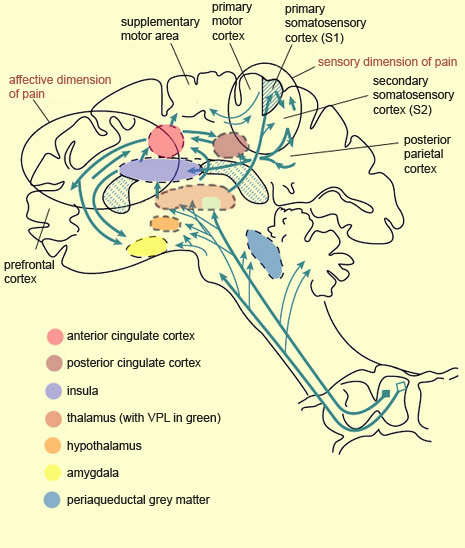
1. Amygdala (Fear, Threat Detection, Emotional Processing)
The amygdala is a key structure for processing emotions, particularly those related to fear and threat. It plays a role in both positive and negative emotions but is especially activated in situations involving danger, stress, or social evaluation.
- Fear – The amygdala detects threats and prepares the body for a fight-or-flight response.
- Stress, Overwhelm – Triggers the hypothalamus to release stress hormones like cortisol.
- Anxiety, Worry – Overactivity in the amygdala contributes to excessive worry and hypervigilance.
- Dread – Anticipation of negative outcomes activates the amygdala.
- Avoidance – The amygdala signals danger, prompting withdrawal from perceived threats.
- Sadness, Grief – Increases activity in response to social loss.
- Anger, Resentment, Betrayal – The amygdala is triggered when we feel wronged, influencing defensive behaviors.
- Shame, Guilt, Embarrassment, Humiliation – Social threats activate the amygdala, leading to distress.
- Disgust – The amygdala and insula work together to process aversion to smells, tastes, and social disgust.
- Jealousy, Envy – The amygdala responds to perceived threats to status or relationships.
2. Prefrontal Cortex (Reasoning, Decision-Making, Emotional Regulation)
The prefrontal cortex (PFC) helps regulate emotions, control impulses, and process social behavior. It is involved in both positive and negative emotional experiences.
- Emotional Regulation – Helps suppress inappropriate reactions triggered by the amygdala.
- Trust, Self-Trust – Regulates social interactions and decision-making.
- Comparison, Admiration, Reverence – Evaluates social standing and moral judgment.
- Compassion, Empathy, Sympathy – Guides prosocial behavior and emotional perspective-taking.
- Boundaries – Supports impulse control and decision-making for self-protection.
- Happiness, Gratitude, Contentment, Calm, Tranquility – Active when processing positive emotions and long-term well-being.
- Frustration, Disappointment, Regret, Discouragement – Evaluates situations when expectations aren’t met.
- Pride, Hubris, Humility – Assesses self-worth and regulates self-perception.
- Anger, Contempt, Hate, Self-Righteousness – Regulates reactions to perceived moral transgressions.
3. Insula (Interoception, Disgust, Empathy, Self-Awareness)
The insula processes bodily sensations and emotions, particularly those related to disgust, pain, and empathy.
- Disgust – Central to processing aversion to physical and social experiences.
- Pain (Grief, Heartbreak, Hurt) – Responds to physical and social pain, like rejection or loss.
- Compassion, Empathy – Helps us experience others’ emotions as if they were our own.
- Anxiety, Fear – Monitors internal bodily states and contributes to panic responses.
- Love, Loneliness, Invisibility – Links social connection with bodily responses.
4. Ventral Striatum (Reward, Pleasure, Motivation)
The ventral striatum is part of the brain’s reward system and is linked to motivation, pleasure, and reinforcement learning.
- Joy, Happiness, Gratitude – Activated by positive emotions and social bonds.
- Excitement, Interest, Curiosity – Motivates exploration and learning.
- Pride – Rewarded when we achieve social recognition.
- Schadenfreude (Pleasure from Others’ Misfortune) – Engages when we feel justified in enjoying someone else’s failure.
5. Anterior Cingulate Cortex (Conflict Processing, Emotion Regulation)
The anterior cingulate cortex (ACC) helps detect conflicts between emotions and thoughts and plays a role in regulating emotional responses.
- Guilt, Shame, Regret – Signals conflict between actions and values.
- Loneliness, Belonging, Disconnection – Activated when we feel social pain or exclusion.
- Cognitive Dissonance, Paradox, Irony, Sarcasm – Processes contradictions between thoughts and beliefs.
- Anguish, Despair, Hopelessness – Responds to chronic distress and emotional suffering.
6. Hypothalamus (Stress Response, Hormone Regulation)
The hypothalamus regulates the body’s stress response, controlling hormone release (e.g., cortisol, oxytocin).
- Stress, Overwhelm – Triggers cortisol release in response to perceived threats.
- Love, Trust, Compassion – Releases oxytocin to strengthen social bonds.
- Fear, Anxiety, Avoidance – Regulates fight-or-flight responses.
7. Periaqueductal Gray (Pain Processing, Defensive Reactions)
The periaqueductal gray (PAG) is involved in pain regulation and defensive behaviors.
- Fear, Dread – Triggers freezing or fleeing from danger.
- Grief, Heartbreak – Involved in processing emotional pain.
8. Temporal Parietal Junction (Social Processing, Perspective-Taking)
The temporal parietal junction (TPJ) helps us understand others’ perspectives and navigate social relationships.
- Empathy, Sympathy, Compassion – Allows us to put ourselves in another’s emotional state.
- Comparison, Admiration, Envy – Evaluates our standing relative to others.
9. Oxytocin System (Social Bonding, Trust, Love)
Oxytocin, often called the “love hormone,” promotes trust, bonding, and social connection.
- Love, Trust, Self-Trust – Strengthens relationships and attachment.
- Connection, Belonging – Enhances feelings of social safety.
- Heartbreak, Betrayal – Reduced oxytocin levels contribute to feelings of social pain.
Summary of Brain Regions & Associated Emotions
| Brain Region | Related Emotions |
|---|---|
| Amygdala | Fear, Anxiety, Stress, Anger, Shame, Guilt, Sadness, Jealousy, Disgust, Betrayal, Resentment |
| Prefrontal Cortex | Emotional Regulation, Trust, Self-Trust, Compassion, Boundaries, Pride, Happiness, Gratitude, Humility, Anger, Self-Righteousness |
| Insula | Disgust, Pain, Empathy, Love, Loneliness, Anxiety |
| Ventral Striatum | Joy, Excitement, Curiosity, Pride, Schadenfreude |
| Anterior Cingulate Cortex (ACC) | Guilt, Shame, Regret, Loneliness, Cognitive Dissonance, Anguish |
| Hypothalamus | Stress, Overwhelm, Love, Trust, Fear, Anxiety |
| Periaqueductal Gray | Pain, Grief, Heartbreak, Fear |
| Temporal Parietal Junction (TPJ) | Empathy, Sympathy, Comparison, Envy |
| Oxytocin System | Love, Trust, Connection, Betrayal, Heartbreak |
 UpLive.Life
One thought on “The Landscape of Human Emotions”