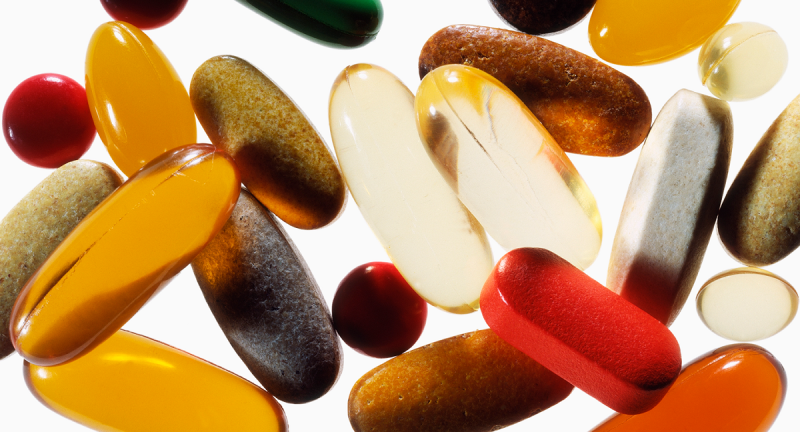
[Written by ChatGPT. Image credit]
Introduction
The field of longevity science is growing rapidly, fueled by advances in genetics, metabolism, and biotechnology. Alongside this scientific progress, an increasing number of researchers and futurists have turned to personal supplementation regimens in an attempt to slow aging and optimize health. Some of these figures, such as Dr. David Sinclair, Dr. Nir Barzilai, Dr. Peter Attia, Ray Kurzweil, Dr. Leonard Guarente, and Bryan Johnson have their own health regiments or supplement companies that they promote or market.
But how much of their supplement use is backed by science, and how much is influenced by financial interests? This article evaluates the supplement stacks of these longevity advocates, their ties to supplement companies, and whether their regimens have any proven benefits.
Longevity Experts and Their Supplement Regimens
1. Dr. David Sinclair (Harvard Geneticist, Aging Researcher)
Supplement Regimen:
- NMN (Nicotinamide Mononucleotide) – Increases NAD+ levels, potentially supporting cellular repair.
- Resveratrol – A polyphenol claimed to activate sirtuins (longevity-associated proteins).
- Metformin – A diabetes drug studied for anti-aging properties.
- Berberine – Alternative to metformin for blood sugar control.
- Quercetin & Fisetin – Senolytics that may help clear aging cells.
- Vitamin D, K2, Magnesium – Essential for metabolic and bone health.
- Low-dose Aspirin – For cardiovascular protection and inflammation reduction.
Business Ties:
Sinclair co-founded MetroBiotech, which develops NAD+ precursors but does not sell supplements directly. His association with NMN has drawn criticism due to potential financial conflicts of interest.
Scientific Basis:
- NMN & NAD+ Boosters – Animal studies show benefits, but human clinical trials are ongoing.
- Resveratrol – Poor bioavailability raises doubts about its efficacy in humans.
- Metformin – Epidemiological data suggest longevity benefits, but controlled trials in non-diabetics are lacking.
2. Dr. Nir Barzilai (Aging Researcher, Albert Einstein College of Medicine)
Supplement Regimen:
- Metformin – Currently leading the TAME (Targeting Aging with Metformin) trial.
- Low-dose Aspirin – Cardiovascular benefits.
- Vitamin D – Essential for immune and metabolic health.
- Omega-3 (Fish Oil) – Anti-inflammatory and neuroprotective properties.
Business Ties:
Unlike others, Barzilai is not directly involved in a supplement company but is leading research into repurposing FDA-approved drugs for longevity.
Scientific Basis:
- Metformin is backed by epidemiological studies, though human longevity trials are still underway.
- Omega-3s and Vitamin D are widely supported by clinical research.
3. Dr. Peter Attia (Physician, Longevity & Performance Optimization)
Supplement Regimen:
- Omega-3 (2g daily) – Cardiovascular and anti-inflammatory support.
- Vitamin D (dose adjusted to levels of 40-60 ng/ml) – Immune function and bone health.
- Magnesium (up to 1g daily) – Muscle, nerve, and metabolic health.
- B12 & Folate – Supports neurological and cardiovascular function.
- Low-dose Aspirin (81 mg daily) – Anti-inflammatory and heart health benefits.
- Probiotics (Pendulum Glucose Control) – Supports gut health.
- Collagen Peptides & Hyaluronic Acid – Marketed for skin and joint health.
- Rapamycin (intermittently) – A promising anti-aging drug, but experimental.
Business Ties:
Attia does not own a supplement company but monetizes his longevity coaching programs.
Scientific Basis:
Most of Attia’s regimen is based on well-established research, though rapamycin remains experimental in human aging studies.
4. Ray Kurzweil (Futurist, AI Researcher, Longevity Enthusiast)
Supplement Regimen (Reportedly 100+ Pills Daily):
- CoQ10 & PQQ – Mitochondrial support.
- Phosphatidylcholine – Cognitive function support.
- Resveratrol & NAD+ Precursors – Anti-aging.
- Metformin – Blood sugar control.
- DHA & EPA (Omega-3s) – Cardiovascular and neurological benefits.
- Green Tea Extract & Curcumin – Anti-inflammatory properties.
- B Vitamins, Vitamin D, Magnesium – General metabolic support.
Business Ties:
Kurzweil co-founded Transcend (Transcend.me), a platform selling personalized health programs and supplements.
Scientific Basis:
Some supplements in his regimen, like omega-3s and B vitamins, have strong support, but taking 100+ pills daily lacks robust evidence for lifespan extension.
5. Dr. Leonard Guarente (MIT Aging Researcher, Co-Founder of Elysium Health)
Supplement Regimen:
- Nicotinamide Riboside (NR) & Pterostilbene – Marketed as an NAD+ booster (Elysium’s Basis product).
- Omega-3s & Vitamin D – For cardiovascular and metabolic health.
- Probiotics & Prebiotics – Gut microbiome support.
Business Ties:
Guarente co-founded Elysium Health, which sells Basis and other longevity-focused supplements.
Scientific Basis:
- Nicotinamide Riboside (NR) is similar to NMN, showing promise in animal studies, but human trials remain inconclusive.
- Pterostilbene is chemically similar to resveratrol but has limited human data.
6. Bryan Johnson (Tech Entrepreneur, Blueprint Protocol)
Supplement Regimen (Publicly Documented on Blueprint Program)
- NMN & Resveratrol – Similar to Sinclair.
- Collagen Peptides & Hyaluronic Acid – Skin & joint health.
- Metformin & Rapamycin (intermittently) – Anti-aging drugs.
- Lithium (low dose) – Neuroprotection.
- Probiotics, Prebiotics, & Fiber Supplements – Gut microbiome optimization.
- Antioxidant Blends (Polyphenols, EGCG, Astaxanthin, etc.) – Cellular protection.
Does He Own a Supplement Company?
No, but he monetizes his Blueprint longevity program, which includes supplement recommendations.
Scientific Basis & Proven Results
- Rapamycin: The strongest pharmacological anti-aging candidate in animal models. Human use is experimental and requires careful monitoring.
- Lithium (low dose): Some data suggests it may protect brain function.
- Gut health supplements: Science supports dietary fiber and probiotics for health, but results vary.
Johnson’s regimen is experimental, combining well-researched elements with speculative ones.
Other Prominent Scientists Involved in Supplement Companies
Dr. Gregory Fahy (Intervene Immune)
- Focuses on thymus rejuvenation via the TRIIM trial, exploring growth hormone and metformin for reversing aging biomarkers.
Dr. Aubrey de Grey (LEV Foundation)
- While not directly selling supplements, promotes senolytics, NAD+ boosters, and rapamycin as potential longevity interventions.
Dr. Rhonda Patrick (FoundMyFitness)
- Sells personalized longevity recommendations, advocating for sulforaphane, omega-3s, and sauna therapy.
Are These Supplements Scientifically Proven?
Strong Evidence for Longevity Benefits
- Metformin – Well-documented glucose-lowering effects, potential longevity benefits under study.
- Omega-3 Fatty Acids – Strong evidence for cardiovascular health.
- Vitamin D – Essential for immunity, bone health, and metabolism.
Some Evidence, But Needs More Human Trials
- NAD+ Boosters (NMN, NR) – Promising in animals, inconclusive in humans.
- Rapamycin – Strong anti-aging effects in mice, but human data is sparse.
Speculative or Low Evidence
- Resveratrol & Pterostilbene – Bioavailability issues and weak human data.
- Senolytics (Fisetin, Quercetin) – Theories suggest benefit, but human trials are limited.
Conclusion: Should You Follow Their Regimens?
While some of these experts promote supplements based on cutting-edge research, many claims remain unproven in humans. The involvement of scientists in supplement companies raises concerns about financial conflicts of interest.
Key Takeaways:
- Stick to evidence-based supplements with proven health benefits.
- Consult a doctor before taking experimental compounds.
- Be wary of marketing claims and expensive longevity supplements.
Until large-scale human trials confirm efficacy, the best strategy remains a healthy diet, exercise, and lifestyle optimization—not just supplements.
 UpLive.Life