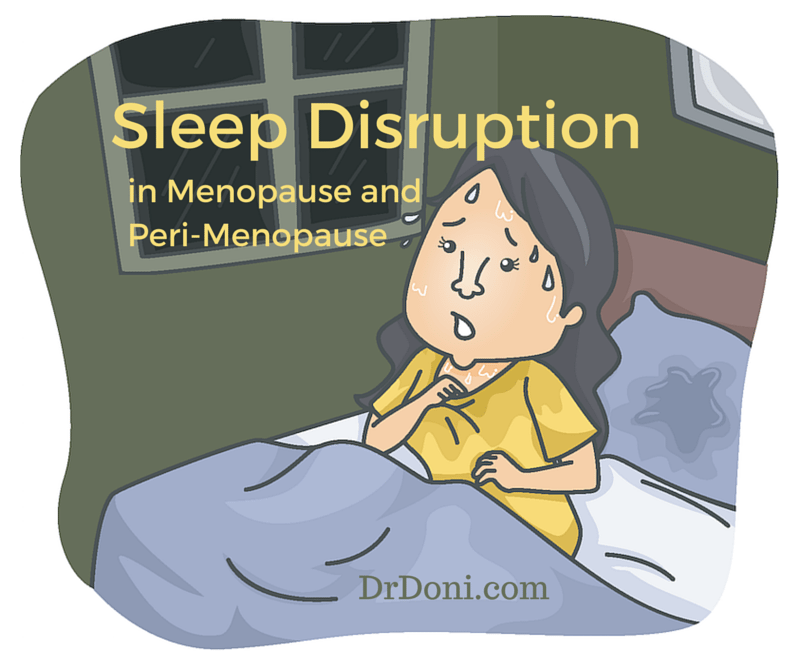
[Written by ChatGPT. Image credit]
Many middle-aged women struggle with frequent nighttime awakenings, leading to poor sleep quality and daytime fatigue. This issue is more than just an inconvenience—it can impact mood, cognitive function, metabolism, and overall well-being. Hormonal fluctuations, particularly declining estrogen and progesterone levels during perimenopause and menopause, play a significant role. Other contributing factors include stress, anxiety, lifestyle habits, and changes in sleep architecture with age. Understanding the root causes and potential solutions is crucial to improving sleep and restoring energy levels.
[Written by Perplexity]
Causes and Scientific Explanations
1. Hormonal Changes
- Estrogen and Progesterone Decline:
- Estrogen helps regulate sleep by influencing serotonin (a neurotransmitter that affects mood and sleep) and body temperature. Its decline can lead to hot flashes, night sweats, and mood instability, all of which disrupt sleep12.
- Progesterone has a sedative effect on the brain. Reduced levels during menopause can make it harder to relax and stay asleep24.
- Thermoregulation:
- Circadian Rhythm Disruption:
2. Sleep Disorders
- Sleep Apnea:
- Post-menopausal women are at higher risk of obstructive sleep apnea (OSA) due to hormonal changes affecting muscle tone in the airway and fat distribution around the neck6. This condition causes repeated awakenings due to breathing interruptions.
- Restless Legs Syndrome (RLS):
- RLS is more common in midlife women and can cause uncomfortable sensations in the legs that disrupt sleep. It may be linked to iron deficiency or dopamine dysregulation3.
3. Psychological Factors
- Mood Disorders:
- Stress:
- Increased life responsibilities or caregiving roles often coincide with midlife, contributing to stress-induced insomnia.
4. Age-Related Changes
- As women age, they experience less deep sleep (Stage 3 non-REM) and more awakenings during the night. These changes are compounded by menopausal symptoms25.
Remedies and Their Scientific Basis
Lifestyle Adjustments
- Sleep Hygiene:
- Exercise:
- Regular physical activity improves overall sleep quality by stabilizing circadian rhythms and reducing stress hormones like cortisol6.
- Dietary Changes:
- Limiting caffeine, alcohol, and heavy meals before bed prevents disruptions in sleep architecture.
- Relaxation Techniques:
- Practices like yoga or mindfulness reduce stress and activate the parasympathetic nervous system, promoting relaxation4.
Medical Interventions
- Hormone Replacement Therapy (HRT):
- HRT replenishes estrogen levels, alleviating hot flashes, night sweats, and mood swings that disrupt sleep. Progesterone supplementation also has sedative effects that promote better rest12.
- However, HRT should be used cautiously due to potential risks like increased breast cancer or cardiovascular issues4.
- Melatonin Supplements:
- Treatment of Sleep Disorders:
- Obstructive Sleep Apnea: Continuous Positive Airway Pressure (CPAP) devices can address breathing interruptions.
- Restless Legs Syndrome: Iron supplements or medications that target dopamine pathways may help reduce symptoms.
Behavioral Therapies
- Cognitive Behavioral Therapy for Insomnia (CBT-I):
- CBT-I addresses negative thought patterns about sleep and incorporates techniques like stimulus control (e.g., only using the bed for sleeping) and relaxation training4.
- It is considered a first-line treatment for chronic insomnia.
Emerging Research
Recent studies have highlighted the role of hypothalamic neurons (kisspeptin/neurokinin B/dynorphin neurons) in integrating hormonal pathways with thermoregulation and circadian rhythms. Understanding these mechanisms may pave the way for targeted therapies addressing menopausal sleep disturbances at their root cause38.
By addressing both physiological and psychological factors through a combination of lifestyle changes, medical treatments, and behavioral therapies, many women can significantly improve their sleep quality during this transitional period.
 UpLive.Life