[Written by ChatGPT. Image credit]
Introduction
Health is arguably the most valuable asset a person possesses, yet it is often undervalued until it deteriorates. With the rise of advanced medical technologies and longevity-focused healthcare services, individuals now have the option to invest in their health proactively. But how much is it really worth? In this article, we analyze the economic and scientific perspectives of longevity investments, examine the leading causes of death, and provide actionable recommendations for individuals in their 50s and beyond.
The Economic Value of Health and Longevity
A person’s health directly impacts their quality of life, productivity, and financial stability. According to a study published in The Lancet, chronic diseases are the leading cause of disability-adjusted life years (DALYs) lost worldwide. The economic burden of healthcare costs, lost wages, and decreased productivity due to poor health can amount to millions of dollars over a lifetime. Investing in preventive healthcare and early disease detection can significantly reduce these costs.
Leading Causes of Death: What Are We Fighting Against?
According to the World Health Organization (WHO) and the Centers for Disease Control and Prevention (CDC), the top causes of death worldwide include:
- Cardiovascular Diseases (CVDs) – Responsible for nearly 32% of all deaths globally, with risk factors including hypertension, obesity, and smoking.
- Cancer – A leading cause of mortality, with lung, colorectal, and pancreatic cancers being among the deadliest.
- Neurodegenerative Diseases (e.g., Alzheimer’s Disease) – Increasingly prevalent with aging populations, causing cognitive decline and loss of independence.
- Diabetes and Metabolic Disorders – Strongly linked to lifestyle factors such as diet, physical activity, and genetics.
- Chronic Respiratory Diseases – Conditions like COPD and emphysema, often exacerbated by environmental factors.
Is Investing in Longevity Worth the Money?
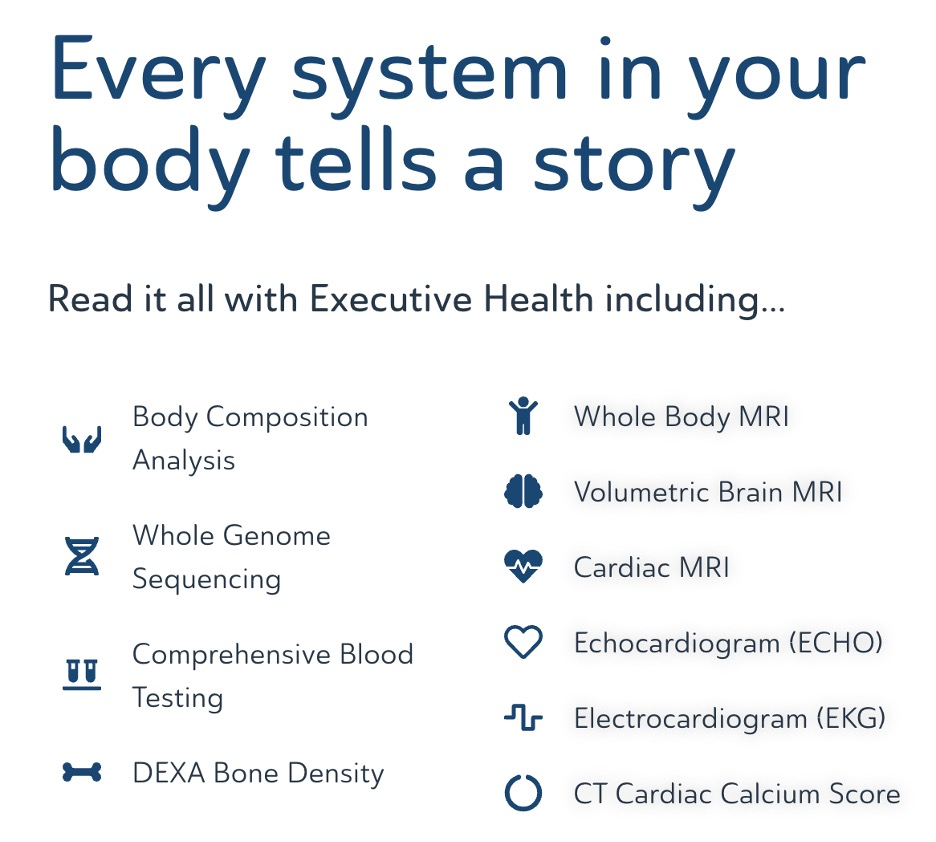
New medical advancements offer early disease detection, genome sequencing, and personalized health insights, but they come at a cost. Services like Human Longevity, Inc. (HLI) charge around $8,000 per year for full-body MRI scans, genome sequencing, and metabolic health assessments. The question remains: is this a justified investment?
Arguments in Favor:
- Early Detection Saves Lives – Many diseases, including cancer and cardiovascular conditions, are treatable if caught early.
- Cost-Effectiveness in the Long Run – Preventive measures can reduce lifetime healthcare expenses, which often surpass hundreds of thousands of dollars for late-stage treatment.
- Improved Quality of Life – Better health management leads to longer and more active years.
Arguments Against:
- High Initial Costs – Not everyone can afford high-end longevity services.
- Uncertain Benefits for Low-Risk Individuals – Those without genetic predispositions to certain diseases may not see substantial returns.
- Alternative, More Affordable Preventive Measures Exist – Lifestyle modifications, routine check-ups, and maintaining a healthy diet can provide similar benefits.
Recommended Actions for People in Their 50s and Beyond
Regardless of whether one chooses high-end longevity services, everyone can take steps to maximize their health span. Here are key recommendations:
- Annual Health Screenings – Prioritize cardiovascular assessments, cancer screenings (colonoscopy, mammograms, PSA tests), and metabolic health evaluations.
- Personalized Nutrition and Exercise – Adopt a diet rich in anti-inflammatory foods, engage in aerobic and strength training exercises, and maintain a healthy BMI.
- Optimize Mental Health and Cognitive Function – Engage in lifelong learning, social connections, and activities like meditation to reduce stress and cognitive decline.
- Monitor and Manage Chronic Conditions – Stay on top of blood pressure, cholesterol, and blood sugar levels to prevent complications.
- Consider Targeted Longevity Services – If financially feasible, advanced diagnostics such as genome sequencing and full-body scans can provide an added layer of early disease prevention.
Conclusion: Is Health Worth the Investment?
The evidence overwhelmingly supports proactive investment in health. While cutting-edge longevity services like those from HLI are not financially accessible to everyone, a balanced approach that includes preventive healthcare, lifestyle modifications, and periodic medical check-ups is within reach for most individuals. Aging is inevitable, but suffering from preventable diseases is not.
By making informed choices and taking early action, people in their 50s and beyond can significantly increase both their lifespan and their healthspan, making the question of health investment less about cost and more about value.
To approximate Human Longevity, Inc. (HLI)‘s comprehensive diagnostic services in Canada, you can combine whole-body imaging, genetic sequencing, and metabolic assessments across multiple providers. Here’s a breakdown of Canadian services that, together, provide a comparable experience:
1. Whole-Body Imaging (MRI)
Equivalent to HLI’s Full-Body MRI for Cancer & Cardiovascular Screening
- Option 1: Prenuvo (Available in Vancouver, expanding to Toronto)
- Cost: $2,999 CAD
- Detects: Cancer, aneurysms, organ abnormalities, spinal conditions, and early-stage diseases
- Website: prenuvo.com
- Option 2: ISMI Montreal (Montreal, QC)
- Cost: $3,500 CAD
- Detects: Cancer, cardiovascular issues, liver disease, lung nodules, neurological conditions
- Website: ismimontreal.ca
- Option 3: Whole Body MRI (Ontario)
- Locations: Mississauga and other ON locations
- Detects: Comprehensive full-body assessment for early disease detection
- Website: wholebodymri.ca
2. Genomic & DNA Sequencing
Equivalent to HLI’s Whole Genome Sequencing and Risk Analysis
- Option 1: Genolife (Nationwide)
- Services: Genetic testing for disease predisposition, longevity, and metabolism
- Cost: Starting at $349 CAD for genetic counseling; full sequencing pricing varies
- Website: genolife.ca
- Option 2: Blueprint Genetics (Toronto, Nationwide Availability)
- Services: Comprehensive genomic testing for hereditary cancer, cardiovascular diseases, and metabolic disorders
- Website: blueprintgenetics.com
3. Cardiovascular Screening
Equivalent to HLI’s Cardiac MRI, Coronary Calcium Scan, and Blood Biomarker Tests
- Option 1: Cleerly AI (via partnered clinics)
- Services: AI-powered coronary CT angiography to assess plaque buildup and heart disease risk
- Website: cleerlyhealth.com
- Option 2: Medcan (Toronto, ON)
- Services: Executive health assessments, cardiac stress tests, and advanced imaging
- Cost: Executive Health Assessment starts at $3,495 CAD
- Website: medcan.com
4. Metabolic & Blood Biomarker Testing
Equivalent to HLI’s Comprehensive Blood Work for Early Disease Detection
- Option 1: Dynacare (Nationwide)
- Services: Blood biomarker analysis, metabolic panels, and disease risk profiling
- Website: dynacare.ca
- Option 2: LifeLabs (Nationwide)
- Services: Hormone testing, cardiovascular markers, cancer biomarkers, and metabolic screening
- Website: lifelabs.com
Final Comparison: How Canadian Services Stack Up Against HLI
| Service | HLI (USA) | Canadian Equivalent | Approx. Cost (CAD) |
|---|---|---|---|
| Whole-Body MRI | ✔️ | Prenuvo, ISMI Montreal, Whole Body MRI | $2,999–$3,500 |
| Genetic Sequencing | ✔️ | Genolife, Blueprint Genetics | $349+ |
| Cardiac Screening | ✔️ | Cleerly AI, Medcan | $3,495+ |
| Metabolic Testing | ✔️ | Dynacare, LifeLabs | Varies |
Conclusion: How to Replicate HLI in Canada
To get a similar level of diagnostics as HLI, consider:
- Prenuvo or ISMI Montreal for Whole-Body MRI ($2,999–$3,500)
- Genolife or Blueprint Genetics for Whole Genome Sequencing ($349+)
- Cleerly AI or Medcan for Heart & Cardiovascular Risk Analysis ($3,495+)
- Dynacare or LifeLabs for Metabolic Testing (varies)
A full HLI-style assessment in Canada would likely cost $7,000–$10,000 CAD, depending on service providers.
The absence of a single, comprehensive longevity and early disease detection provider like Human Longevity, Inc. (HLI) in Canada can be attributed to several key factors:
1. Healthcare System Differences
- Public vs. Private Healthcare: Canada’s publicly funded healthcare system (Medicare) covers essential services, which reduces demand for comprehensive out-of-pocket longevity assessments. In contrast, the U.S. has a large private healthcare market, where high-income individuals are more accustomed to paying for premium medical services.
- Regulations & Insurance Limitations: Canadian healthcare regulations limit the scope of private healthcare services. Unlike the U.S., where concierge medicine is more established, Canada restricts private providers from offering services that could compete directly with the public system.
2. Specialization of Existing Clinics
- Companies like Prenuvo (whole-body MRI) and Genolife (genomic testing) focus on specific diagnostic areas, rather than integrating all diagnostics under one roof.
- Many executive health clinics (e.g., Medcan, Cleveland Clinic Canada) offer broad assessments, but lack genome sequencing and AI-driven longevity analytics like HLI.
3. Cost & Demand Considerations
- A comprehensive longevity clinic requires high-end imaging equipment, genomic sequencing labs, AI-driven diagnostics, and top-tier specialists, making it an expensive business model to operate.
- Since Canada has fewer high-income individuals willing to pay out-of-pocket for premium medical screening, it may not be financially viable for a single provider to offer HLI-level services at scale.
4. Regulatory & Technological Challenges
- AI-driven health analytics and genomic medicine face stricter regulations in Canada, slowing the integration of these advanced services into clinical practice.
- Whole-genome sequencing and advanced imaging have yet to be fully integrated into routine preventive care, making it harder to offer an all-in-one longevity-focused service.
Could a Canadian HLI Equivalent Emerge?
- The demand for preventive medicine and longevity services is growing globally.
- Companies like Prenuvo and Medcan are expanding their service offerings, potentially leading to a more integrated longevity-focused provider in Canada in the future.
- A partnership model (e.g., Prenuvo + Genolife + Medcan) could create a “virtual HLI”, offering a one-stop longevity assessment experience.
 UpLive.Life