[Written by ChatGPT]
Have you ever paused to think about how many of life’s challenges actually boil down to relationship issues? Whether with family, friends, romantic partners, or colleagues, our relationships deeply shape our happiness and success. Interestingly, most relationship problems can be traced back to a common root: communication.
Are Most Problems Relationship Issues?
Life presents an endless array of challenges—career hurdles, personal setbacks, health struggles. Yet, beneath these surface-level issues often lie deeper relationship dynamics. Misunderstandings at work, conflicts with friends, and disputes at home usually revolve around how we interact with one another. Indeed, when relationships thrive, life’s problems tend to feel smaller and more manageable.
Are Most Relationship Issues Communication Issues?
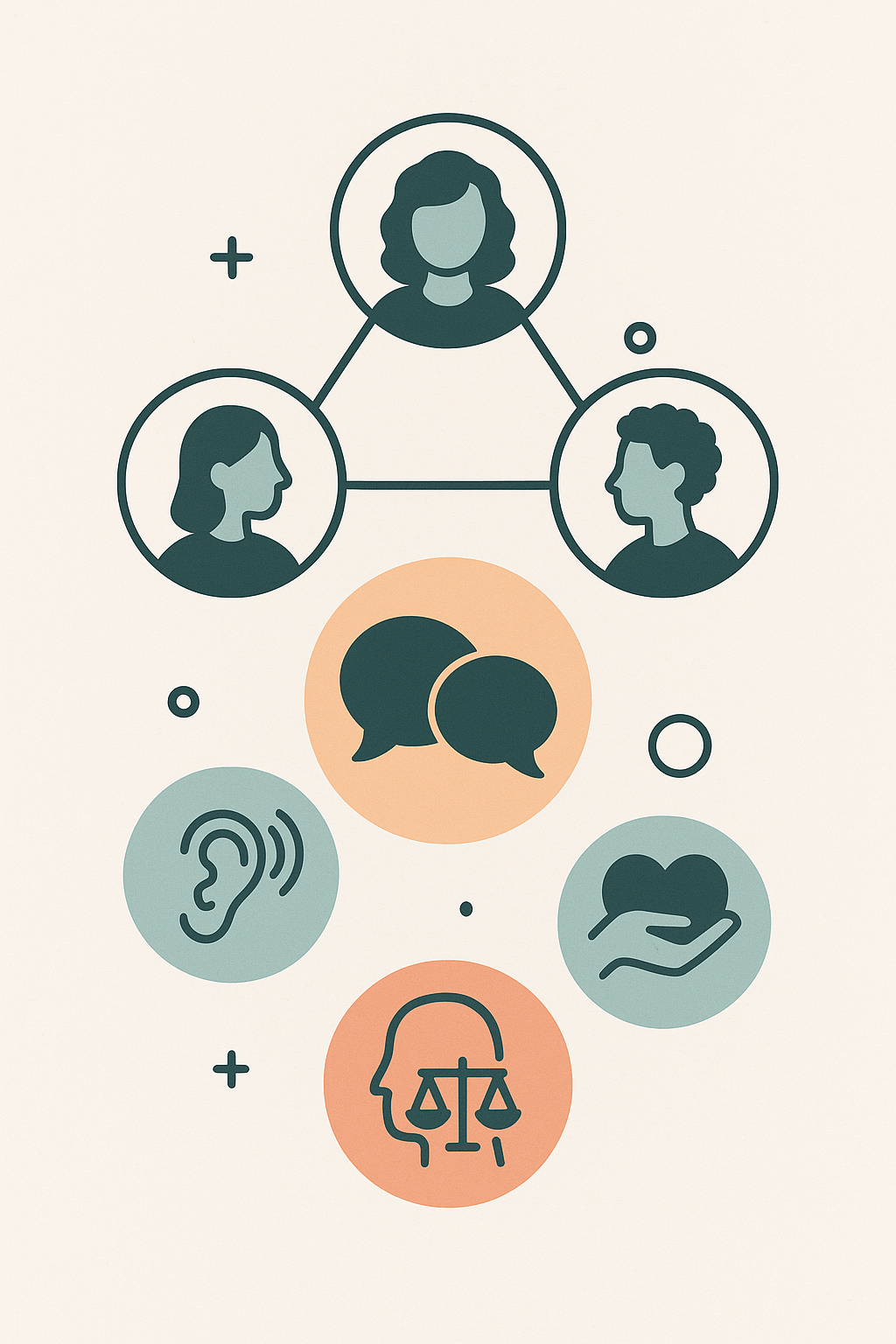
At their core, many relationship issues arise from ineffective communication. Misunderstandings, unmet expectations, and unresolved conflicts often stem from unclear or insufficient dialogue. Communication isn’t just about talking; it involves active listening, empathy, clarity, and openness. When communication falters, even minor misunderstandings can escalate into significant disputes.
How to Become a Better Communicator in Relationships
Improving communication can drastically enhance your relationships and overall quality of life. Here are practical steps to becoming a better communicator:
1. Active Listening
Good communication begins with active listening. Truly listen, not just to respond but to understand the other person’s perspective. This means giving your full attention, avoiding interruptions, and asking clarifying questions.
2. Practice Empathy
Empathy allows you to see situations through the eyes of others, fostering deeper connections. Validate the other person’s feelings, even if you disagree. Showing genuine care and understanding can dissolve tensions quickly.
3. Be Clear and Direct
Many misunderstandings occur because people are hesitant to clearly express their thoughts and feelings. Clearly and respectfully articulate your needs, boundaries, and expectations. Avoid ambiguity by being specific and direct.
4. Manage Your Emotions
Emotional control is essential for effective communication. Stay calm, even during disagreements. Take breaks if discussions become heated, and return to the conversation when you’re composed.
5. Seek Feedback
Regularly ask others how they perceive your communication style. Constructive feedback can highlight areas for improvement and help refine your approach.
6. Non-Verbal Communication Matters
Your body language, tone, and facial expressions can say as much—or more—than your words. Ensure your non-verbal cues align with your verbal message to avoid confusion.
7. Continuous Improvement
Becoming a better communicator is an ongoing journey. Commit to continuous learning and self-reflection. Read books, attend workshops, and seek advice from skilled communicators.
Conclusion
Most life problems can indeed be traced back to relationships, and within those, communication issues often lie at the heart of conflict. By investing in your communication skills, you nurture healthier relationships, greater happiness, and a more fulfilling life. Remember, the best communicators aren’t born—they’re made through practice and dedication.
 UpLive.Life