[Written by Grok]
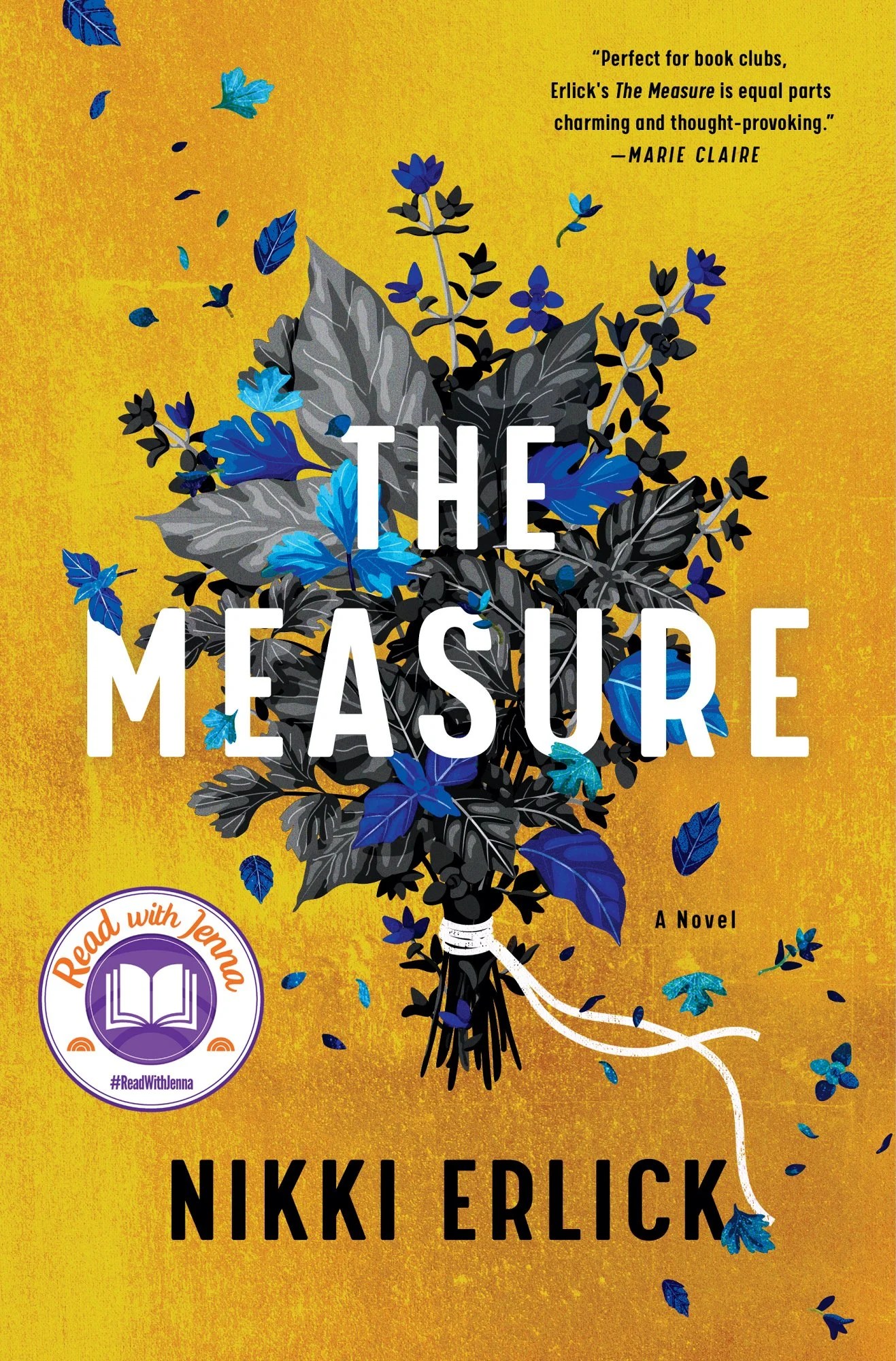
Last week, my sister handed me a copy of The Measure by Nikki Erlick, a novel that has since taken up residence in my mind, stirring questions I didn’t know I needed to ask. The premise is deceptively simple: one day, every person over 22 wakes up to a small wooden box containing a string that represents the exact length of their life. Short string, short life; long string, long life. The catch? You decide whether to open it. This gift from my sister didn’t just give me a story to read—it sparked a profound meditation on mortality, choice, and how we navigate the unknown. Below, I explore the questions The Measure raises, weaving in my own reflections on how we cope with life’s uncertainty—and whether certainty would bring freedom or dread.
<Some spoilers ahead. Proceed with caution>
The Weight of Knowing: Would You Open the Box?
The first question the novel hurls at you is personal and unrelenting: Would you open the box to learn how long you’ll live? When I first read this, I paused, my fingers tracing the spine of the book my sister gave me. Part of me craved the certainty—knowing could help me plan, prioritize, maybe even live more boldly. But another part recoiled. What if my string is short? Would I spiral into dread, every moment tainted by a countdown? The characters in The Measure embody this tension: Amie, a teacher, refuses to look, choosing the freedom of uncertainty, while Ben, an architect, grapples with a short string. Their choices made me wonder: Is ignorance truly bliss, or is knowledge power, even if it’s painful?
This question hit close to home. I have always wondered how all of us live with the uncertainty of mortality. It’s a shadow we learn to ignore, tucked away as we chase careers, love, or simple joys. But The Measure forces you to confront it head-on. If I knew my lifespan, would I still savor a quiet morning tea or feel the tick of a clock in every sip?
The Ripple Effect: How Would Certainty Change Us?
The novel doesn’t stop at personal choice. It asks: How would knowing your lifespan reshape your decisions, relationships, and purpose? Characters like Nina and Maura, a couple with mismatched strings, face heartbreak as one learns they’ll outlive the other. Would I pursue a relationship knowing my partner’s time is short? Could I marry someone whose string stretches decades beyond mine? Would I have children? These questions cut deep, especially when I think about my sister, who gifted me this book. If we opened our boxes and found wildly different lengths, would we immediately move to the same city and cherish every lasting moment? Why won’t we do that now?
Then there’s the question of legacy: What would you do with your time if you knew exactly how much you had? A short-stringer like Hank, a doctor, pours himself into saving lives, finding meaning in every moment. Meanwhile, long-stringers grapple with complacency or survivor’s guilt. I found myself wondering: Am I living with enough intention now, or am I coasting, assuming I have decades left? The book made me reflect on whether I’d start that passion project, travel to that dream destination, or mend a strained friendship if I knew my string’s length. Certainty might ignite urgency, but it could also paralyze us with dread, as some characters discover, unable to escape the shadow of their string.
Society Under the Strings: Unity or Division?
The Measure doesn’t just explore individual struggles—it paints a world reshaped by the strings. How would society handle such knowledge? In the novel, “short-stringers” face discrimination, branded as unstable or unworthy of jobs, relationships, or even medical care. It’s a chilling mirror to real-world biases, prompting the question: Why do we so easily divide ourselves based on arbitrary markers? The book’s STAR Initiative, which mandates string disclosure for certain roles, made me think of privacy debates today. Should your employer, doctor, or government know your string length? If I had to reveal our strings for a job, would it change how I am valued or trusted?
The novel also asks: Would the strings unite humanity or fracture it further? While some characters form support groups to cope, others, like politician Anthony Rollins, exploit string lengths for power, fueling fear and division. It made me question whether humanity could find common ground in shared mortality or if we’d weaponize even this universal truth. Are we capable of empathy when fear takes hold? The parallels to our world—where differences in race, class, or health spark prejudice—felt stark and unsettling.
Even more uncannily, Anthony Rollins bears a close resemblance to Donald Trump, particularly in how both leverage polarizing narratives to gain power, with Rollins’ survival of a failed assassination attempt eerily mirroring Trump’s own experience, cementing their presidential ascents. This parallel underscores the novel’s sharp commentary on charismatic leadership and societal division.
The Ethics of Knowledge: Blessing or Curse?
One of the book’s thorniest questions is: Are the strings a gift or a curse? They offer clarity, but at what cost? Characters like Jack and Javier, who swap strings to game the system, raise ethical dilemmas: Is it wrong to manipulate your fate or someone else’s? I found myself debating whether I’d respect someone’s choice to swap strings or see it as a betrayal of authenticity. Then there’s the question of autonomy: Should everyone be forced to look at their string, or is the choice itself sacred? In the novel, some governments mandate disclosure, while others leave it optional, reflecting real-world tensions over personal freedom versus societal control.
Another ethical puzzle: How would knowing your string affect your moral compass? If I knew I had a short string, would I take bigger risks, bend rules, or live selflessly, like Hank? Conversely, a long string might tempt me to procrastinate on dreams or act recklessly, assuming I have time to spare. Does certainty make us better or worse versions of ourselves? These questions lingered long after I closed the book.
My Own Strings: Coping with Uncertainty vs. Certainty
The gift of The Measure didn’t just give me a story—it gave me a lens to examine how I cope with life’s uncertainty. Right now, we all live without strings, navigating the unknown with a mix of hope, denial, and resilience. But the novel made me question: Is uncertainty a burden we’ve learned to carry, or is it what makes life vibrant? Without knowing my lifespan, I can dream without limits, but I also procrastinate, assuming “someday” will come. If I had a string, would dread replace that freedom, or would it sharpen my focus?
I also pondered: How do we measure a life without a string? Is it in the love we give, the impact we make, or the special moments—like laughing with my sister over drinks and a delicious meal—that feel infinite? The novel suggests that meaning isn’t in the length of the string but in how we weave it into our lives. Yet, I can’t shake the fear that certainty might rob me of spontaneity, replacing it with a hyper-awareness of time slipping away.
New Questions Sparked by the Strings
Beyond the novel’s core questions, The Measure inspired others:
- If you could know the length of someone else’s string—your child, parent, or partner—would you look? This feels like a Pandora’s Box of its own, tempting yet dangerous.
- Would the strings change how we raise children? If parents knew their child’s lifespan, would they push them harder or shield them from risk?
- Could we ever go back to living without strings once we knew they existed? The novel hints that ignorance, once lost, is irretrievable, much like innocence.
- What if the strings were wrong? The book avoids explaining their origin, leaving room to wonder if they’re infallible or a cosmic trick.
- How would faith or spirituality adapt to the strings? Would they strengthen belief in a higher power or challenge it, as characters like Javier grapple with their Catholic roots?
Final Thoughts: A Book That Measures Us All
The Measure is more than a novel—it’s a mirror reflecting our deepest fears and hopes about life and death. My sister’s gift didn’t just give me a story to read; it gave me a framework to question how I live, love, and face the unknown. Whether you’d open the box or leave it sealed, the book challenges you to consider: What makes your life worth living, with or without a string? For me, it’s the connections—like sharing this book with my sister—that feel like the true measure of a life.
Character Connections
The Measure by Nikki Erlick masterfully intertwines the lives of its central characters, crafting a rich tapestry that underscores the profound interconnectedness of human existence. Beyond its thought-provoking questions about mortality and choice, the novel elevates readers to a unique vantage point, granting insight into the intricate web of relationships and events that bind the characters—often revealing connections they themselves are unaware of, deepening the narrative’s emotional and philosophical resonance.
Familial Connections
- Nina and Amie (Sisters):
- Connection: Nina, a journalist with a long string, and Amie, a schoolteacher who chooses not to open her box, are sisters. Their familial bond shapes their emotional support, with Nina encouraging Amie’s relationship with Ben and Amie supporting Nina’s relationship with Maura.
- Impact: Their sisterhood grounds their differing approaches to the strings—Nina’s cautious openness versus Amie’s refusal—highlighting familial loyalty amidst uncertainty.
- Broader Connection: Nina’s tie to Maura (her partner) and Amie’s tie to Ben (her partner) connect them to the support group (Ben, Hank, Maura) and societal issues (Anthony’s policies).
- Jack and Anthony Rollins (Nephew-Uncle):
- Connection: Jack Hunter, a military cadet, is the nephew of Anthony Rollins, a presidential candidate who exploits string lengths for political gain. Jack rejects his family’s privilege, joining the military with Javier.
- Impact: This familial tie contrasts Jack’s integrity with Anthony’s ambition, especially after Jack’s string swap with Javier and Anthony’s survival of the assassination attempt.
- Broader Connection: Jack’s connection to Javier and his confession to Maura tie him to the Johnson Foundation and the broader fight against Anthony’s discriminatory policies.
- Anthony and Katherine Rollins (Husband-Wife):
- Connection: Katherine, Anthony’s wife and Jack’s aunt, supports Anthony’s campaign, appearing with him in public (e.g., when Amie sees them from afar as a loving couple). She is part of the Hunter clan, nurturing Jack after his mother left.
- Impact: Katherine’s role bolsters Anthony’s political image, indirectly affecting short-stringers like Ben, Maura, and Hank through his policies (e.g., STAR Initiative).
- Broader Connection: Amie’s sighting of Anthony and Katherine links her personal arc, while Katherine’s familial tie to Jack connects to Javier and Maura (via the Johnson Foundation).
Romantic Connections
- Nina and Maura (Romantic Partners):
- Connection: Nina and Maura are partners, living together in New York. Nina has a long string, while Maura, who works at a publishing house before joining the Johnson Foundation, has a short string, dying of a heart abnormality after 10 years of marriage.,
- Impact: Their relationship explores love despite differing lifespans, with Nina’s courage and Maura’s advocacy (in the support group and at the Johnson Foundation) shaping their arc.
- Broader Connection: Maura’s role at the Johnson Foundation ties her to Wes Johnson and Jack, while their support group participation links them to Ben and Hank.
- Amie and Ben (Romantic Partners):
- Connection: Amie and Ben, an architect with a short string (14 years left), connect through letters. They marry, despite Ben’s short string, and both die in a car accident, leaving their children, Willy and Midge, to Nina.,
- Impact: Their love story highlights the courage to embrace life despite mortality, with Amie’s refusal to check her string (later revealed as short) adding tragic irony.
- Broader Connection: Amie’s tie to Nina (her sister) and Ben’s support group participation connect them to Maura, Hank, and the societal impact of Anthony’s policies.
- Hank and Anika Singh (Former Romantic Partners):
- Connection: Hank, a doctor with a short string, was in a relationship with Anika Singh, a surgeon at New York Memorial Hospital. Anika ended it due to her career focus but supports Hank upon learning his string length.
- Impact: Their past relationship humanizes Hank’s dedication to medicine, with Anika being one of two people (alongside the patient’s mother) aware of his short string.
- Broader Connection: Hank’s death in the assassination attempt ties him to Anthony and the assassin, while his support group role links him to Nina, Maura, and Ben.
Professional and Advocacy Connections
- Wes Johnson and Maura (Johnson Foundation):
- Connection: Wes Johnson, a presidential candidate of color with a short string, founds the Johnson Foundation to protect short-stringers’ rights. Maura becomes the director of communications near the end of her life, advocating for short-stringers.,
- Impact: Maura’s role amplifies the foundation’s mission, particularly when she helps Jack share his and Javier’s string-swap story, leading to the Supreme Court overturning the STAR Initiative.
- Broader Connection: The foundation connects Maura to Jack, Javier (posthumously), and short-stringers like Ben and Hank, countering Anthony’s discriminatory policies.
- Jack and Maura (String Swap Confession):
- Connection: Jack approaches Maura at the Johnson Foundation to confess that he and Javier swapped strings (Jack taking Javier’s long string, Javier taking Jack’s short one). Maura promotes their story, leading to significant societal impact.
- Impact: This confession, after Jack gets Javier’s parents’ blessing, highlights themes of sacrifice and truth, with Maura’s advocacy overturning Anthony’s STAR Initiative.
- Broader Connection: Jack’s tie to Anthony (his uncle) and Javier, combined with Maura’s links to Nina, Ben, and Hank (via the support group), ties personal ethics to societal change.
- Hank and the Patient’s Mom/Daughter (Medical and Posthumous Connection):
- Connection: Hank, a doctor, meets a patient’s mother waiting for her daughter’s lung transplant. After Hank is killed in the assassination attempt, his lungs are donated to the daughter, saving her life.
- Impact: This connection underscores Hank’s legacy, as his death directly enables another life, reflecting the novel’s theme of meaningful impact beyond lifespan.
- Broader Connection: Hank’s death links to Anthony (via the assassination) and the assassin (via their brother’s death), while his support group role ties him to Nina, Maura, and Ben.
Societal and Antagonistic Connections
- Anthony Rollins and the Assassin (Frat Hazing and Assassination Attempt):
- Connection: The assassin, whose brother died in a frat hazing incident linked to Anthony Rollins, attempts to kill Anthony but kills Hank instead.
- Impact: This tragic error ties Anthony’s past actions to Hank’s death and the assassin’s grief, with Anthony’s survival bolstering his political ascent (mirroring real-world figures like Trump).
- Broader Connection: The assassination attempt connects Anthony to Hank, the patient’s daughter (via the lung transplant), and indirectly to Jack (his nephew) and Maura (via the Johnson Foundation).
- Anthony Rollins and Society (Political Influence):
- Connection: Anthony, a presidential candidate, implements the STAR Initiative, mandating string disclosure, which discriminates against short-stringers like Ben, Maura, and Hank. His policies affect all characters, from workplace restrictions to societal stigma.
- Impact: Anthony’s divisive rhetoric shapes the novel’s world, creating challenges for short-stringers and fueling Wes Johnson’s advocacy through the Johnson Foundation.
- Broader Connection: His influence touches Nina and Maura’s relationship, Amie’s teaching environment, Ben’s life choices, Hank’s medical work, and Jack’s rejection of his family’s legacy.
- Amie and Anthony/Katherine (Incidental Encounter):
- Connection: Amie glimpses Anthony Rollins and his wife, Katherine, from a distance, unaware of their identities, as she reflects on her relationship with Ben, highlighting the subtle yet profound ways strangers’ lives intersect and influence one another.
- Impact: This fleeting encounter juxtaposes Anthony’s divisive policies, which marginalize short-stringers like Ben, with the visible bond between Anthony and Katherine, offering Amie an unexpected moment of inspiration about love’s resilience amid societal challenges.
- Broader Connection: Amie’s tie to Nina and Ben, combined with Anthony’s impact on society, connects her to Maura, Hank, and the Johnson Foundation’s advocacy.
Support Group and Cultural Connections
- Support Group Nexus (Nina, Maura, Ben, Hank, Nihal):
- Connection: The short-stringer support group, facilitated by Sean at Connelly Academy, connects Nina, Maura, Ben, Hank, and Nihal (a Hindu member with a minor role). Maura joins after Nina’s encouragement, while Ben and Hank bond over their short strings.
- Impact: The group fosters solidarity, allowing characters to share fears and strategies, reflecting the novel’s theme of community amidst division.
- Broader Connection: Maura’s advocacy in the group leads to her role at the Johnson Foundation, linking to Wes and Jack, while Ben and Hank’s participation ties to Amie and Nina.
- Javier and Nihal (Cultural and Support Group Connection):
- Connection: Javier, a Catholic soldier, and Nihal, a Hindu support group member, share spiritual reflections on the strings, though Nihal’s role is less central.
- Impact: Their discussions highlight diverse cultural responses to mortality, with Javier’s string swap contrasting Nihal’s introspective approach.
- Broader Connection: Javier’s tie to Jack and Anthony, and Nihal’s support group presence, link them to Nina, Maura, Ben, and Hank.
Other Notable Connections
- Ben and Claire (Former Romantic Partners):
- Connection: Claire, Ben’s ex-girlfriend, opens both their boxes against his wishes, revealing Ben’s short string (14 years) and breaking up with him.
- Impact: This betrayal shapes Ben’s emotional arc, leading him to the support group and his relationship with Amie.
- Broader Connection: Ben’s ties to Amie, Nina, Maura, and Hank (via the support group) connect Claire’s actions to the broader narrative.
- Javier and Captain Reynolds (Military Connection):
- Connection: Captain Reynolds joins Javier on a rescue mission to save civilians from a downed plane. After Javier’s death (post-string swap), Reynolds mails Javier’s confession letter to his parents.
- Impact: This act honors Javier’s sacrifice, enabling Jack to later share their story with Maura at the Johnson Foundation.
- Broader Connection: Javier’s tie to Jack and Anthony links this subplot to the political and advocacy spheres.
- Lea and the Support Group (Minor Connection):
- Connection: Lea, a pregnant surrogate for her brother and brother-in-law’s baby, is a member of the short-stringer support group, connecting to Nina, Maura, Ben, Hank, and Nihal.
- Impact: Her presence adds depth to the group’s diversity, highlighting reproductive and familial choices in the context of short strings.
- Broader Connection: Lea’s minor role ties to the broader theme of community, linking indirectly to Maura’s advocacy at the Johnson Foundation.
Thematic Implications
These connections weave a narrative tapestry that explores:
- Mortality and Choice: Nina and Amie’s sisterly bond, Amie and Ben’s love, and Jack and Javier’s string swap highlight personal choices in the face of known lifespans.
- Legacy and Sacrifice: Hank’s lung donation and Javier’s string swap reflect selfless acts that ripple beyond their lives, contrasting with Anthony’s self-serving politics.
- Societal Division: Anthony’s policies and the assassin’s vendetta (tied to his frat hazing past) underscore how past actions fuel societal rifts, countered by Wes and Maura’s advocacy at the Johnson Foundation.
- Community and Advocacy: The support group and Johnson Foundation connect characters like Maura, Ben, Hank, and Jack, showing collective resistance to discrimination.
 UpLive.Life
2 thoughts on “The Measure of Your Life”