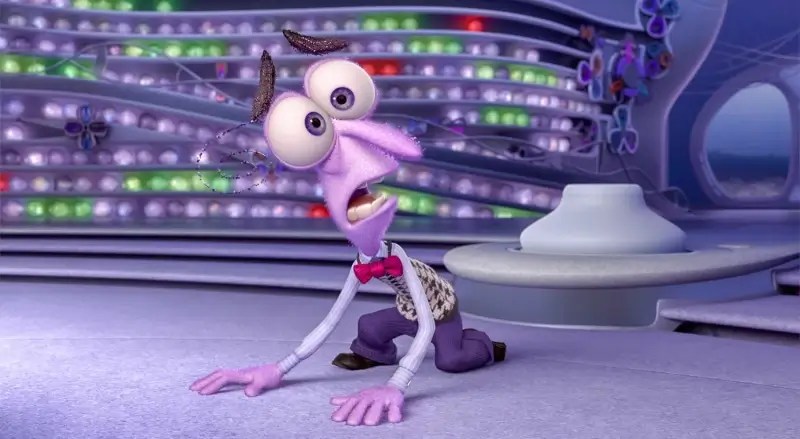
“Many of our blessings bring bane to us; for memory recalls the tortures of fear, while foresight anticipates them. The present alone can make no man wretched.” –Seneca
[Written by Claude]
Recently, I’ve been hit by waves of strong emotions that feel almost physical in their intensity—worry for my children’s future in an uncertain world, fear of a tanking economy that could devastate our investments and security, dread of political upheaval that seems to grow more toxic by the day, and the looming specter of war that feels closer than it has in decades. It’s a disorienting experience, living simultaneously in two completely different realities. In one world—the immediate, tangible one around me—there’s beautiful weather streaming through my windows, abundance in my pantry, loved ones healthy and present, and the simple pleasures of daily life unfolding peacefully. But then there’s this other world, accessed through the glowing portal of my phone, where I’m instantly transported into chaos, crisis, and catastrophe.
The disconnect is jarring: I can be sitting in a sun-drenched garden, feeling grateful and content, only to swipe my screen and suddenly be flooded with anxiety about the military moving in to control protests across the US, preeminent scientists losing research funding, international students facing an uncertain future, market swings, climate disasters, and social collapse. This dual existence has made me acutely aware of how fear operates in our modern lives—not just as a response to immediate threats, but as a constant background hum fed by information streams designed to capture our attention through alarm.
Fear sits at the center of so much human experience, yet we rarely pause to examine its grip on our lives. It whispers in our ears during quiet moments, shapes our choices in ways we don’t always recognize, and drives us toward both our greatest achievements and our most regrettable mistakes.
The Many Faces of Fear
Beneath the surface lie countless other fears that shape our daily existence. There’s the fear of rejection that keeps us from speaking up in meetings or reaching out to old friends. The fear of failure that convinces us not to pursue that creative project or career change we’ve been dreaming about. The fear of judgment that has us scrolling through social media, comparing our inner lives to others’ highlight reels.
Then there are the deeper, more existential fears: the fear of meaninglessness that strikes at 3 AM when we wonder if our work matters, the fear of loneliness that can make us cling to relationships that no longer serve us, and yes, the ultimate fear—death itself, lurking in the background of almost every other anxiety we experience.
Fear of aging, of losing our independence, of being forgotten. Fear of technology outpacing our ability to adapt. Fear of climate change, of leaving a broken world to future generations. Fear of our own minds—of dementia, depression, or simply losing ourselves to time.
When Fear Becomes Our Master
The challenge isn’t that we have these fears—they’re part of being human, evolved responses that once kept our ancestors alive. The problem arises when fear stops being a useful signal and becomes the lens through which we view everything.
Consider the parent whose fear for their child’s future transforms into helicopter parenting. Their terror of their child experiencing failure, rejection, or disappointment leads them to remove every obstacle, solve every problem, and orchestrate every opportunity. The child never learns resilience because fear robbed them of the chance to develop it.
Or take financial fear. The anxiety about having enough money for retirement or emergencies can drive people to make increasingly desperate investment decisions—chasing high returns in volatile markets, falling for get-rich-quick schemes, or conversely, keeping all their money in low-yield accounts where inflation slowly erodes its value. Fear of loss becomes the very thing that creates loss.
Political fears operate similarly. Anxiety about the direction of society can push people toward extreme positions, making them vulnerable to authoritarian promises of simple solutions to complex problems. The fear of chaos can lead us to embrace the very forces that create it.
The Paradox of Fear
Here’s what makes fear so insidious: it often masquerades as wisdom. “I’m just being realistic,” we tell ourselves as we avoid taking risks. “I’m being responsible,” we say as we make decisions from a place of anxiety rather than thoughtful consideration.
But fear-based decisions tend to be reactive rather than responsive. They’re about avoiding worst-case scenarios rather than working toward best-case outcomes. They prioritize short-term relief over long-term flourishing.
Fear also has a way of becoming self-fulfilling. When we’re afraid of being rejected, we often behave in ways that make rejection more likely—being defensive, closed off, or overly eager to please. When we’re afraid of failure, we may procrastinate or self-sabotage. When we’re afraid of being alone, we might push people away preemptively.
Learning to Dance with Fear
So how do we live with fear without being enslaved by it? The goal isn’t to eliminate fear—that’s neither possible nor desirable. Instead, we need to develop a different relationship with it.
Recognition is the first step. Fear often operates below our conscious awareness, influencing decisions before we realize what’s happening. Learning to pause and ask, “What am I afraid of right now?” can be revelatory. Sometimes just naming the fear reduces its power.
Understanding the difference between real and imagined threats is crucial. Our brains are wired to treat potential future dangers as immediate present ones. The fear of giving a presentation feels the same as the fear of being chased by a predator, even though one is a minor social risk and the other is life-threatening. Learning to calibrate our emotional responses to actual rather than perceived threats takes practice.
Accepting uncertainty is perhaps the most challenging but essential skill. Much of our fear stems from our desperate desire to control outcomes, to know what’s coming, to guarantee safety. But uncertainty is the only certainty we have. Learning to be comfortable with not knowing—to find excitement rather than terror in the unknown—can transform our relationship with fear.
Taking small, consistent action despite fear builds confidence and resilience. We don’t have to wait until we’re fearless to act; we can act while afraid. Each time we do something that scares us and survive—or even thrive—we expand our comfort zone and prove to ourselves that we’re more capable than our fears suggest.
Distinguishing between being safe and feeling safe is vital. We can be objectively safe while feeling terrified, and we can feel safe while engaging in genuinely risky behavior. Learning to assess actual risk rather than emotional intensity helps us make better decisions.
The Gifts of Fear
When we stop running from fear and start listening to it, we often discover it has important information for us. Fear can signal when something matters deeply to us—we’re afraid of losing what we love, of failing at what we care about, of not becoming who we want to be.
Fear can also be a compass pointing toward growth. The things that scare us most are often the things we most need to do. Fear of public speaking might indicate a need to develop confidence and communication skills. Fear of intimacy might point toward the work needed to build deeper relationships.
Even the fear of death, rather than being merely morbid, can inspire us to live more fully, to prioritize what truly matters, to stop postponing joy and connection.
Moving Forward
Living well with fear requires ongoing practice and self-compassion. There will be times when fear wins, when we make decisions from anxiety rather than wisdom, when we let terror talk us out of opportunities or into poor choices. This is part of being human.
The key is to notice these moments without judgment, learn from them, and try again. Fear doesn’t disappear with age or experience—if anything, we may become more aware of all the things that could go wrong. But we can become more skillful in our relationship with it.
Perhaps the most profound shift comes when we stop seeing fear as something to be defeated and start seeing it as a companion on the journey—sometimes helpful, sometimes misguided, but always carrying information worth considering. When we can hold our fears with curiosity rather than resistance, we create space for both safety and growth, both prudence and courage.
In the end, the goal isn’t to live without fear but to live despite it, and sometimes, because of it. Our fears, properly understood and channeled, can become the very forces that propel us toward lives of greater meaning, connection, and authenticity. The question isn’t whether we’ll be afraid—we will. The question is whether we’ll let fear be our master or learn to make it our ally.
 UpLive.Life