[Written by ChatGPT]
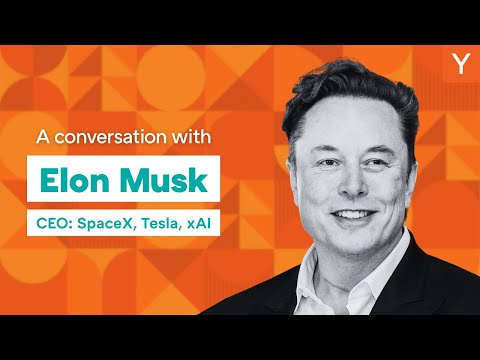
Elon Musk is one of the most polarizing figures alive. To some, he’s a modern-day Edison or Iron Man — a boundary-pushing genius reshaping the world. To others, he’s reckless, egotistical, or even dangerous. After watching his recent talk at Y Combinator’s AI Startup School, many came away impressed by his intelligence, candor, and sweeping vision. So why does such a gifted individual generate such intense dislike?
The answer lies not just in Musk himself, but in us — and the way human psychology, social media, and cultural expectations shape how we perceive people in power.
1. Tall Poppy Syndrome and the Resentment of Success
People tend to cut down those who rise above the rest — especially when they do so unapologetically. Musk is bold, often defiant, and deeply unconventional. That makes him a target for “tall poppy syndrome,” where society punishes perceived arrogance or outsized ambition.
We admire innovators — but we often resent those who don’t temper their brilliance with humility or polish. Musk rarely plays that game.
2. The Social Media Effect: No Filter, Maximum Reaction
Elon Musk is unusually transparent — or impulsive — on social media. Most billionaires and CEOs stick to curated press releases. Musk tweets memes, makes provocative jokes, and openly challenges governments and institutions.
This makes him seem more human — but also more vulnerable to criticism. Every post is a fresh opportunity for backlash. In the absence of a PR filter, people judge him in real-time, with no time to polish or reinterpret his meaning.
3. The Dark Triad Claims: Visionary or Manipulator?
Some psychologists and critics argue Musk shows traits of the “dark triad” — narcissism, Machiavellianism, and psychopathy.
- Narcissism: He talks big — about Mars, AI, the future of humanity. Some interpret this as megalomania.
- Machiavellianism: His strategic, often ruthless decisions in business (firing entire teams, provoking regulators, etc.) may seem manipulative.
- Psychopathy: Critics point to his emotional detachment or cold rationality in high-stakes choices.
But here’s the nuance: these traits are not rare among high-powered leaders. Often, people with extreme focus and vision need to operate outside emotional norms. The line between brilliance and pathology is sometimes very thin — and what looks dark to some may simply be boldness without fear.
4. Why Do We Demand Perfection?
This is where the deeper psychology kicks in: Why do people feel betrayed when Musk (or any figure) turns out to be deeply flawed?
The answer lies in idealization — a process where we project our desires, hopes, and values onto public figures. We want heroes. We want to believe that someone out there is not just successful, but morally pure, emotionally grounded, endlessly wise, and fundamentally good.
When that illusion breaks — as it inevitably does — we feel personally let down. The fall from grace feels like betrayal, even when it was our own unrealistic expectations that created the myth in the first place.
Musk is not shy about his flaws. He admits to sleeping on factory floors, struggling with depression, obsessing over engineering details, and taking personal risks that few other executives would dare. But instead of humanizing him, this often creates cognitive dissonance: How can someone be so visionary and yet so brash? Many people can’t resolve that paradox — so they split him into a caricature: genius or villain, savior or sociopath.
In reality, he’s both flawed and brilliant — like all of us, only louder.
5. Culture, Class, and Techlash
Public sentiment toward Musk is also shaped by broader forces:
- Techlash: As AI, automation, and inequality rise, many are angry at tech billionaires who they feel are benefitting while others suffer.
- Populism vs. Elitism: Musk is seen by some as an elite who exploits systems — and by others as a rebel outsider disrupting elite power.
- Media Amplification: Musk generates clicks — so every mistake or comment is amplified, often stripped of nuance.
He’s become a cultural Rorschach test: people see in him what they fear or admire.
Final Thoughts: Embracing Imperfect Icons
Elon Musk isn’t a saint. He’s also not a villain. He’s a deeply driven person with flaws, blind spots, and an unusually high tolerance for risk. In short, he’s human — albeit one with extreme influence.
The real issue may not be Musk at all. It may be our tendency to either idolize or demonize public figures instead of allowing for complexity. In a world hungry for heroes and hungry for outrage, nuance often gets lost.
Musk, like every ambitious figure in history, reflects our own contradictions: progress and ego, innovation and destruction, hope and fear. Understanding why we react so strongly to him might help us understand ourselves just as much.
 UpLive.Life