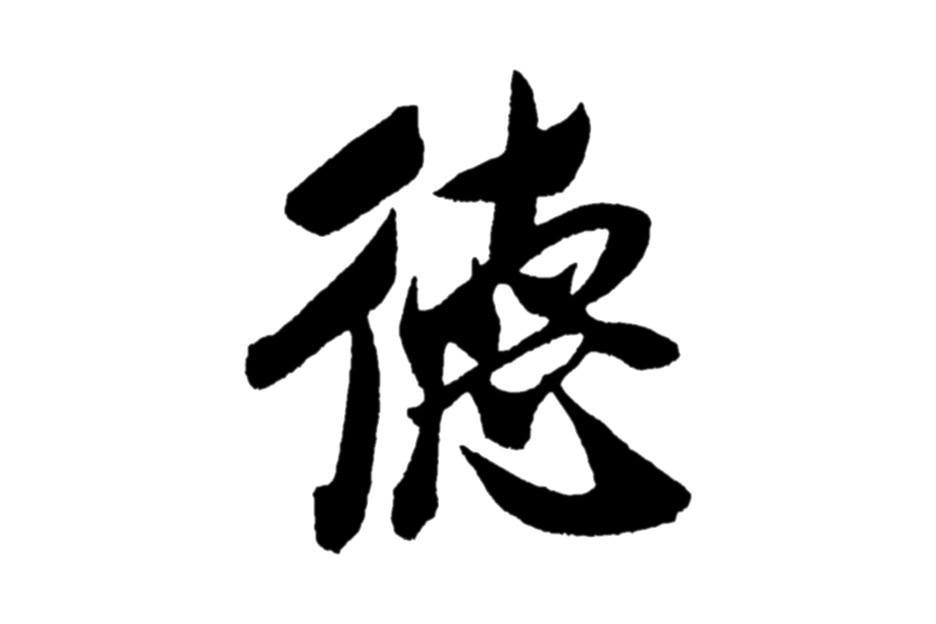
[Written by ChatGPT]
See related posts: Finding Order in the Timeless Flow of the Dao.
Category 1: What the Dao Is.
Category 2: The Way to Be (Personal Cultivation and Virtue) (2, 7, 8, 9, 10, 12, 13, 15, 16, 20, 22, 23, 24, 27, 28, 33, 38, 43, 44, 45, 46, 47, 48, 50, 55, 56, 62, 63, 67, 70, 71, 76, 81)
These chapters together express the ethical and spiritual vision of the Dao De Jing — how the Dao manifests in human life, society, and conduct. They show that to live according to Dao is to embody the balance, humility, and self-regulating harmony that pervade nature itself. Laozi contrasts the way of the world — striving, judgment, desire — with the Way of the Dao — stillness, humility, and effortless virtue.
- The Relativity of Values and the Birth of Conflict
In Chapter 2, Laozi begins by exposing a fundamental paradox: the moment we name something beautiful, we create its opposite — ugly; when we praise goodness, we conjure badness. This is not cynicism but realism: all human distinctions depend on contrast. The universe itself arises through the interplay of opposites — being and non-being, long and short, high and low. The sage therefore does not cling to dualities; he acts through non-action and teaches through non-words. Things flourish in his presence because he does not claim ownership or credit. The act of not possessing allows his work to endure — this is the first and most essential Daoist ethic: to align with the spontaneous order rather than impose one’s own.
- The Power of Selflessness and Yielding
Chapter 7 deepens this principle. Heaven and Earth are long-lasting because they “do not live for themselves.” In the same way, the sage places himself last and thus comes first; he acts without self-interest, and so his life is preserved. This insight links cosmic endurance with moral humility. Chapter 8 gives the classic image of water: the highest goodness is like water — it nourishes all things without contention, flows to the lowest places that people despise, and thus comes closest to the Dao. The sage emulates water by being adaptive, humble, and useful — not by striving, but by serving.
- Moderation, Emptiness, and Returning to the Root
Chapters 9 through 16 warn against excess and praise inner emptiness. Holding too much, sharpening too keenly, or exalting oneself leads to ruin (ch. 9). The sage instead returns to simplicity and balance — mastering breath, softening like a child, purifying perception (ch. 10). In chapter 12, Laozi cautions that sensory indulgence blinds the mind; hence, the sage lives “for the belly, not for the eye” — valuing substance over distraction. Chapters 13 to 16 explore humility, detachment from honor and fear, and the contemplative stillness through which one perceives the return of all things to their root. True wisdom (ming) is knowing this constant rhythm of return, and acting without violating it.
- The Way of Humility and Non-Contending Virtue
In chapters 20 to 28, Laozi contrasts the sage with ordinary people. While the crowd pursues pleasure, display, and cleverness, the sage remains simple and detached — “like an infant,” “like one adrift without home.” His strength lies in non-contention, as expressed in chapter 22: “The bent becomes whole, the humble is uplifted, the worn is renewed.” By not asserting himself, the sage achieves what others cannot. Chapters 23 and 24 further show that words and pride weaken one’s harmony with Dao; the sage remains silent, modest, and unassuming. In chapter 28, the images of the feminine, the dark, and the valley represent the inexhaustible creative ground of life. To “know the male and keep to the female” is to balance activity with receptivity — to return to the primal simplicity (pu, the uncarved block).
- The Ethics of Simplicity, Contentment, and Inner Power
Later chapters such as 33, 38, 43–46, and 63–67 describe the character of one who lives by Dao. True strength is self-mastery, not domination; true wealth is contentment; true longevity is freedom from attachment. The highest virtue (de) acts without self-consciousness — “Upper virtue does not act and yet nothing is left undone.” When Dao is lost, lesser substitutes arise: morality, duty, propriety — and with them, hypocrisy and disorder (ch. 38). Laozi therefore exalts simplicity over refinement, reality over appearance. In chapter 67 he distills his teaching into “three treasures”: compassion, frugality, and humility — the roots of true courage, abundance, and leadership.
This same humility appears in chapters 44–45: fame and wealth are less precious than life itself; knowing when to stop ensures safety and continuity. The sage’s calm stillness — like clear water — corrects the world simply by being itself.
- The Mystery of Soft Power and Silent Wisdom
In the final chapters (50, 55–56, 62–71, 76, 81), Laozi brings all themes together. Life’s vitality resides in softness and harmony — the newborn’s pliancy, the water’s yielding. Those who live gently are secure; those who harden themselves perish. True wisdom is silent — “Those who know do not speak; those who speak do not know.” The sage blends his light with the dust of the world, becoming beyond praise or blame, beyond gain or loss. Through this anonymity, he becomes the axis of all harmony.
Heaven’s Dao gives and does not harm; the sage’s Dao acts and does not compete. Thus, the Way of the cosmos and the Way of the wise are one: to nurture without possession, to achieve without pride, and to lead by following.
Essence Summarized
Across these chapters, Laozi transforms observation of nature into a moral and spiritual path. Everything excessive collapses; everything humble endures. The soft overcomes the hard, the still overcomes the restless, the unselfish outlasts the self-centered. By emptying the mind and simplifying the heart, one aligns with the quiet intelligence that orders all things. This is De (virtue): the spontaneous power that arises when one ceases to force life and begins to flow with it.
In essence, these teachings describe not a religion but a discipline of harmony — to act without aggression, to see without judgment, to live fully while leaving no trace. Through such effortless accord, one becomes a mirror of the Dao itself — clear, yielding, inexhaustible, and free.
Summary of Verses
合德頌
天下皆知美惡相生,
有無相成,難易相依。
故聖人無為而化,
不言而教,生而不有,功成不居。
上善若水,
利萬物而不爭,
居下以成高,
柔弱而不折。
持盈者虧,滿堂者傾,
功成身退,天之道也。
致虛守靜,歸根復命,
知常曰明。
曲則全,枉則直,
少則得,多則惑。
不自見而明,不自是而彰,
不爭,故天下莫與之爭。
善人無跡,善言無瑕,
常善救人而不棄物。
知其雄,守其雌;知其白,守其黑;
知其榮,守其辱。
知人者智,自知者明,
知足者富,自勝者強。
上德無為而無以為,
含德之厚,比於赤子。
知不知者上,
柔弱處上,剛強處下。
信言不美,美言不信;
聖人為而不爭,
與道同功,與天同心
The Way of Virtue and Being
All under Heaven know beauty because there is ugliness;
Being and non-being give birth to each other,
Difficulty and ease complete one another.
Thus the sage acts without acting,
Teaches without words,
Creates without owning,
Accomplishes without taking credit.
The highest goodness is like water—
It benefits all things and contends with none;
Dwelling in low places, it perfects the high;
Soft and yielding, yet never broken.
To hold too full is to lose;
To withdraw after success is Heaven’s Way.
Empty the heart, keep to stillness;
Return to the root and know constancy—
In constancy there is clarity.
To bend is to be made whole,
To yield is to be made straight;
The less one clings, the more one gains,
The more one strives, the more one is confused.
Not self-seeing, one becomes clear;
Not self-asserting, one becomes radiant;
Not contending, none can contend with them.
The good leave no trace,
Their words carry no flaw;
They rescue without rejecting,
And embrace both the pure and the impure.
Know the male, keep to the female;
Know the white, keep to the black;
Know the honor, keep to the humble.
To know others is intelligence,
To know oneself is wisdom;
To be content is wealth,
To master oneself is strength.
The highest virtue acts without acting,
Its depth like an infant’s innocence.
To know that you do not know is the highest knowing.
The soft and weak prevail over the hard and strong.
True words are not ornate,
And ornate words are not true.
Thus the sage acts without striving,
In harmony with Heaven,
Accomplished yet at peace.
Original Verses
【第二章】天下皆知美之为美,斯恶(è)已;皆知善之为善,斯不善已。故有无相生,难易相成,长短相较,高下相倾,音声相和(hè),前后相随。是以圣人处无为之事,行不言之教,万物作焉而不辞,生而不有,为而不恃,功成而弗居。夫(fú)唯弗居,是以不去。
Chapter 2 — Relativity and Non-Action
When all under Heaven know beauty as beauty,
Then ugliness already exists.
When all know good as good,
Then evil already exists.
Thus being and non-being give birth to each other,
Difficult and easy complete each other,
Long and short define each other,
High and low depend upon each other,
Tone and voice harmonize with each other,
Front and back follow each other.
Therefore the sage acts without acting,
Teaches without words.
All things rise and he does not refuse them;
He creates but does not own,
Works but does not rely,
Accomplishes but does not dwell upon it.
Precisely because he does not dwell,
His work never departs.
【第七章】天长地久。天地所以能长且久者,以其不自生,故能长生。是以圣人后其身而身先,外其身而身存。非以其无私邪(yé)?故能成其私。
Chapter 7 — Selflessness and Longevity
Heaven is long and Earth enduring.
Why are Heaven and Earth long and enduring?
Because they do not live for themselves—
Thus they can long endure.
So the sage places himself behind, yet is before;
He puts himself aside, yet is preserved.
Is it not because he is selfless?
Therefore, he is fulfilled.
【第八章】上善若水。水善利万物而不争,处众人之所恶(wù),故几(jī)于道。居善地,心善渊,与善仁,言善信,正善治,事善能,动善时。夫唯不争,故无尤。
Chapter 8 — The Highest Good
The highest good is like water.
Water benefits all things and does not contend.
It dwells in places that others disdain—
Therefore, it is near to the Way.
In dwelling, be close to the land;
In heart, be deep like a valley;
In giving, be kind;
In speech, be sincere;
In governance, be just;
In work, be able;
In action, be timely.
Because it does not contend,
It is beyond reproach.
【第九章】持而盈之,不如其已。揣(chuǎi)而锐之,不可长保。金玉满堂,莫之能守。富贵而骄,自遗(yí)其咎。功成身退,天之道。
Chapter 9 — Knowing When to Stop
To hold and fill a vessel to the brim
Is not as good as stopping in time.
If you sharpen a blade too much, it will not last long.
A hall full of gold and jade—none can guard it.
Wealth and pride bring misfortune upon oneself.
When achievement is complete, withdraw—
This is the Way of Heaven.
【第十章】载(zài)营魄抱一,能无离乎?专气致柔,能婴儿乎?涤除玄览,能无疵乎?爱民治国,能无知(zhì)乎?天门开阖(hé),能无雌乎?明白四达,能无为乎?生之、畜(xù)之,生而不有,为而不恃,长(zhǎng)而不宰,是谓玄德。
Chapter 10 — The Deep Practice of Unity
Carrying the soul and embracing the One—
Can you never depart from it?
Concentrate your breath and attain softness—
Can you be like a newborn child?
Cleanse your vision of all mystery—
Can you be without blemish?
Love the people, govern the state—
Can you act without knowledge?
Open and close the gates of Heaven—
Can you be feminine?
Understand all things—
Can you act without action?
To give birth and to nurture,
To create without possessing,
To act without relying,
To lead without ruling—
This is called mysterious virtue.
【第十二章】 五色令人目盲,五音令人耳聋,五味令人口爽,驰骋畋(tián)猎令人心发狂,难得之货令人行妨。是以圣人为腹不为目,故去彼取此。
Chapter 12 — The Limits of the Senses
The five colors blind the eyes.
The five tones deafen the ears.
The five flavors dull the palate.
Chasing game and wild pleasure maddens the heart.
Rare treasures hinder right conduct.
Therefore the sage
Provides for the belly, not the eye—
He discards that and chooses this.
【第十三章】宠辱若惊,贵大患若身。何谓宠辱若惊?宠为下,得之若惊,失之若惊,是谓宠辱若惊。何谓贵大患若身?吾所以有大患者,为吾有身,及吾无身,吾有何患!故贵以身为天下,若可寄天下;爱以身为天下,若可托天下。
Chapter 13 — On Favor and Disgrace
Favor and disgrace are equally alarming.
Honor and great calamity are alike as the body.
What does this mean?
To receive favor is frightening,
To lose it is also frightening—
Thus favor and disgrace bring fear.
What does it mean that calamity is like the body?
The reason I have calamity is because I have a body.
If I had no body, what calamity could I have?
Therefore,
He who values the world as himself—
May be entrusted with the world.
He who loves the world as himself—
May safely care for the world.
【第十五章】古之善为士者,微妙玄通,深不可识。夫唯不可识,故强(qiǎng)为之容。豫焉若冬涉川,犹兮若畏四邻,俨兮其若容,涣兮若冰之将释,敦兮其若朴,旷兮其若谷,混兮其若浊。孰能浊以静之徐清?孰能安以久动之徐生?保此道者不欲盈,夫唯不盈,故能蔽不新成。
Chapter 15 — The Ancient Masters
The ancient masters of the Way
Were subtle, mysterious, profound, and penetrating.
Their depth cannot be known.
Because they cannot be known,
We can only describe their appearance:
Cautious, as if crossing winter streams;
Watchful, as if fearing neighbors;
Dignified, as a guest;
Yielding, as melting ice;
Simple, as uncarved wood;
Open, as a valley;
Murky, as troubled water.
Who can make the turbid slowly clear by stillness?
Who can make the still slowly alive by motion?
Those who preserve this Way
Do not desire fullness—
Only because they are not full
Can they be worn yet ever new.
【第十六章】致虚极,守静笃(dǔ),万物并作,吾以观复。夫物芸芸,各复归其根。归根曰静,是谓复命。复命曰常,知常曰明,不知常,妄作,凶。知常容,容乃公,公乃王(wàng),王(wàng)乃天,天乃道,道乃久,没(mò)身不殆。
Chapter 16 — Returning to the Root
Attain utmost emptiness;
Hold fast to stillness.
All things rise together—
I watch their return.
All things flourish,
Then return to their root.
Returning to the root is stillness;
Stillness is returning to destiny.
Returning to destiny is constancy.
Knowing constancy is enlightenment.
Not knowing constancy leads to recklessness and ruin.
Knowing constancy allows tolerance;
Tolerance leads to impartiality;
Impartiality to kingship;
Kingship to Heaven;
Heaven to the Dao.
Dao is everlasting—
One who abides in it never perishes.
【第二十章】绝学无忧。唯之与阿(ē),相去几何?善之与恶,相去若何?人之所畏,不可不畏。荒兮其未央哉!众人熙熙,如享太牢,如春登台。我独泊兮其未兆,如婴儿之未孩。傫傫(lěi)兮若无所归。众人皆有余,而我独若遗。我愚人之心也哉!沌沌兮!俗人昭昭,我独昏昏;俗人察察,我独闷闷。澹(dàn)兮其若海,飂(liù)兮若无止。众人皆有以,而我独顽似鄙。我独异于人,而贵食(sì)母。
Chapter 20 — Beyond Learning
Cut off learning, and you will have no worries.
Between “yes” and “no,” how far apart are they?
Between good and evil, how different are they?
What people fear, I cannot but fear—
How vast and endless this confusion!
The multitude are bright and busy,
As if feasting on a great sacrifice,
As if ascending the spring terrace.
I alone am still,
Unformed like an infant not yet smiling,
Drifting without home or place.
The masses all have enough—
I alone seem to have lost everything.
I am foolish indeed!
So dull and muddled.
The common people are bright—
I alone am dark.
The common people are sharp—
I alone am dull.
Calm like the sea,
Drifting without rest.
Everyone has purpose—
I alone am clumsy and lowly.
I alone am different from others,
But I value feeding on the Mother.
【第二十二章】曲则全,枉则直,洼则盈,敝则新,少则得,多则惑。是以圣人抱一,为天下式。不自见(xiàn)故明,不自是故彰,不自伐故有功,不自矜故长。夫唯不争,故天下莫能与之争。古之所谓曲则全者,岂虚言哉!诚全而归之。
Chapter 22 — The Power of Yielding
Bend, and you will be whole.
Crooked, and you will be straight.
Hollow, and you will be filled.
Worn out, and you will be renewed.
Have little, and you will gain.
Have much, and you will be confused.
Therefore, the sage embraces the One
And becomes the model for the world.
He does not display himself, thus he is enlightened.
He does not justify himself, thus he is illustrious.
He does not boast, thus he has merit.
He does not pride himself, thus he endures.
Because he does not contend,
No one in the world can contend with him.
The ancient saying “bent, thus whole”—
Was it empty talk?
Truly, it becomes whole and returns to itself.
【第二十三章】希言自然。故飘风不终朝(zhāo),骤雨不终日。孰为此者?天地。天地尚不能久,而况于人乎?故从事于道者,道者同于道,德者同于德,失者同于失。同于道者,道亦乐得之;同于德者,德亦乐得之;同于失者,失亦乐得之。信不足焉,有不信焉。
Chapter 23 — Natural Speech
Few words are natural.
Therefore a whirlwind does not last all morning,
A sudden rain does not last all day.
Who causes these? Heaven and Earth.
Even Heaven and Earth cannot make them last—
How much less can man?
Those who follow the Dao are one with the Dao.
Those who follow Virtue are one with Virtue.
Those who lose it are one with loss.
One with the Dao—
The Dao gladly receives them.
One with Virtue—
Virtue gladly receives them.
One with loss—
Loss gladly receives them.
When faith is insufficient,
There is unfaithfulness.
【第二十四章】企者不立,跨者不行,自见(xiàn)者不明,自是者不彰,自伐者无功,自矜者不长。其在道也,曰余食赘(zhuì)行。物或恶(wù)之,故有道者不处(chǔ)。
Chapter 24 — Against Self-Assertion
He who stands on tiptoe cannot stand firm.
He who strides cannot walk far.
He who displays himself does not shine.
He who asserts himself is not distinguished.
He who boasts achieves nothing.
He who is proud does not endure.
In the Way, such things
Are like excess food and useless tumors—
All things despise them.
Therefore the man of the Dao does not dwell in them.
【第二十七章】善行无辙迹,善言无瑕谪(xiá zhé),善数(shǔ)不用筹策,善闭无关楗(jiàn)而不可开,善结无绳约而不可解。是以圣人常善救人,故无弃人;常善救物,故无弃物,是谓袭明。故善人者,不善人之师;不善人者,善人之资。不贵其师,不爱其资,虽智大迷,是谓要妙。
Chapter 27 — The Subtle Mastery
A good walker leaves no tracks.
A good speaker leaves no flaw.
A good reckoner needs no tally.
A good closer uses no bolt,
Yet none can open.
A good binder uses no cord,
Yet none can untie.
Therefore the sage is always good at saving men,
So that none are rejected.
He is always good at saving things,
So that nothing is discarded.
This is called double enlightenment.
Thus the good man is the teacher of the bad,
And the bad man is the lesson of the good.
If one does not honor his teacher,
Nor value his lesson,
Though he be wise, he is greatly confused.
This is the essential mystery.
【第二十八章】知其雄,守其雌,为天下溪。为天下溪,常德不离,复归于婴儿。知其白,守其黑,为天下式。为天下式,常德不忒(tè),复归于无极。知其荣,守其辱,为天下谷。为天下谷,常德乃足,复归于朴。朴散则为器,圣人用之则为官长(zhǎng)。故大制不割。
Chapter 28 — Return to Simplicity
Know the masculine,
Yet keep to the feminine—
Be the valley of the world.
Being the valley of the world,
Your constant virtue will never leave you,
And you will return to the state of a child.
Know the white,
Yet keep to the black—
Be a model for the world.
Being a model for the world,
Your constant virtue will not err,
And you will return to the infinite.
Know honor,
Yet keep to humility—
Be the valley of the world.
Being the valley of the world,
Your constant virtue will be complete,
And you will return to the uncarved block.
When the uncarved block is broken, it becomes tools.
When the sage uses them, he becomes the chief among men.
Thus the great system does not cut apart.
【第三十三章】知人者智,自知者明。胜人者有力,自胜者强。知足者富,强行者有志,不失其所者久,死而不亡者寿。
Chapter 33 — True Strength
He who knows others is intelligent;
He who knows himself is wise.
He who conquers others has strength;
He who conquers himself is mighty.
He who knows contentment is rich.
He who persists has will.
He who stays in his place endures.
He who dies but does not perish has true longevity.
【第三十八章】上德不德,是以有德;下德不失德,是以无德。上德无为而无以为,下德为之而有以为。上仁为之而无以为,上义为之而有以为,上礼为之而莫之应,则攘(rǎng)臂而扔之。故失道而后德,失德而后仁,失仁而后义,失义而后礼。夫礼者,忠信之薄(bó)而乱之首。前识者,道之华而愚之始。是以大丈夫处其厚,不居其薄(bó);处其实,不居其华。故去彼取此。
Chapter 38 — Decline of the Way
The highest virtue is not conscious of itself as virtue,
Therefore it truly has virtue.
The lower virtue clings to virtue,
Therefore it lacks virtue.
The highest virtue acts without acting,
The lower virtue acts with intention.
When the Dao is lost, there is virtue.
When virtue is lost, there is benevolence.
When benevolence is lost, there is righteousness.
When righteousness is lost, there is propriety.
Propriety is the husk of loyalty and faith—
The beginning of disorder.
Foreknowledge is the adornment of the Dao—
And the beginning of folly.
Therefore the great man
Dwells in the thick, not the thin;
In the fruit, not the flower.
Thus he discards the superficial and embraces the real.
【第四十三章】天下之至柔,驰骋天下之至坚,无有入无间,吾是以知无为之有益。不言之教,无为之益,天下希及之。
Chapter 43 — The Power of Softness
The softest thing in the world
Overcomes the hardest.
That which has no substance
Enters where there is no gap.
Hence I know the value of non-action.
Teaching without words,
Working without doing—
Few in the world can grasp this.
【第四十四章】名与身孰亲?身与货孰多?得与亡孰病? 是故甚爱必大费,多藏必厚亡。知足不辱,知止不殆,可以长久。
Chapter 44 — Contentment
Which is dearer, name or self?
Which is greater, self or wealth?
Which brings more harm, gain or loss?
Therefore,
Excessive love leads to great expense;
Much hoarding invites heavy loss.
Know contentment and you will not be disgraced;
Know when to stop and you will not be in danger.
Thus you can endure.
【第四十五章】大成若缺,其用不弊。大盈若冲,其用不穷。大直若屈,大巧若拙,大辩若讷。躁胜寒,静胜热。清静为天下正。
Chapter 45 — The Paradox of Perfection
Great accomplishment appears incomplete,
Yet its use is never exhausted.
Great fullness appears empty,
Yet its use is never finished.
Great straightness appears bent;
Great skill appears clumsy;
Great eloquence seems slow.
Restlessness conquers cold;
Stillness conquers heat.
Clarity and stillness set the world in order.
【第四十六章】天下有道,却走马以粪;天下无道,戎马生于郊。祸莫大于不知足,咎莫大于欲得,故知足之足,常足矣。
Chapter 46 — Desire and Contentment
When the Dao prevails in the world,
Swift horses are used to plow the fields.
When the Dao is lost,
War horses breed in the borders.
No calamity is greater than not knowing contentment;
No fault is greater than craving gain.
Therefore,
He who knows contentment is always content.
【第四十七章】不出户,知天下;不窥牖,见天道。其出弥远,其知弥少。是以圣人不行而知,不见而名,不为而成。
Chapter 47 — Inner Knowing
Without going out the door,
You can know the world.
Without looking through the window,
You can see the Way of Heaven.
The farther you go, the less you know.
Therefore, the sage
Knows without traveling,
Sees without looking,
Acts without striving.
【第四十八章】为学日益,为道日损。损之又损,以至于无为,无为而无不为。取天下常以无事,及其有事,不足以取天下。
Chapter 48 — Unlearning
In pursuit of learning, one gains daily.
In pursuit of the Way, one loses daily.
Loses and again loses—
Until one does nothing.
By doing nothing,
Nothing is left undone.
The world is won by non-interference.
When one is busy with affairs,
It cannot be won.
【第五十章】出生入死。生之徒十有三,死之徒十有三。人之生动之死地,亦十有三。夫何故?以其生生之厚。盖闻善摄生者,陆行不遇兕(sì)虎,入军不被(pī)甲兵,兕无所投其角,虎无所措其爪(zhǎo),兵无所容其刃。夫何故?以其无死地。
Chapter 50 — Life and Death
Between birth and death,
Three in ten follow life,
Three in ten follow death,
And three in ten move between life and death—
Why? Because they cling too much to life.
I have heard that he who knows how to preserve life
Walks through the land and need not fear rhinoceros or tiger,
Enters battle and is not harmed by weapons.
The rhinoceros finds no place for its horn,
The tiger no place for its claw,
The weapon no place for its blade.
Why?
Because he dwells in the place where death cannot enter.
【第五十五章】 含德之厚,比于赤子。蜂虿(chài)虺(huǐ)蛇不螫(shì),猛兽不据,攫(jué)鸟不搏。骨弱筋柔而握固。未知牝牡之合而全作,精之至也。终日号而不嗄(shà),和之至也。知和曰常,知常曰明,益生曰祥,心使气曰强。物壮则老,谓之不道,不道早已。
Chapter 55 — The Power of Innocence
One who is filled with virtue is like a newborn child.
Bees, scorpions, and snakes do not sting it;
Fierce beasts do not seize it, and birds of prey do not strike it.
Its bones are weak and sinews soft, yet its grasp is firm.
Not yet knowing the union of male and female, its essence is complete.
It cries all day without becoming hoarse—this is perfect harmony.
To know harmony is constancy; to know constancy is enlightenment.
To enhance life is auspicious; to let the mind control the breath is forceful.
When things become strong, they age—this is called going against the Way,
And what goes against the Way soon perishes.
【第五十六章】知(zhì)者不言,言者不知(zhì)。塞(sè)其兑,闭其门,挫其锐;解其纷,和其光,同其尘,是谓玄同。故不可得而亲,不可得而疏;不可得而利,不可得而害;不可得而贵,不可得而贱,故为天下贵。
Chapter 56 — The Hidden Unity
Those who know do not speak; those who speak do not know.
Block the openings, shut the doors;
Blunt the sharpness, untangle the knots;
Soften the glare, merge with the dust—
This is called mysterious unity.
One cannot be approached or shunned,
Benefited or harmed, honored or despised—
Therefore such a one is precious in the world.
【第六十二章】道者万物之奥,善人之宝,不善人之所保。美言可以市,尊行可以加人。人之不善,何弃之有!故立天子,置三公,虽有拱璧以先驷马,不如坐进此道。古之所以贵此道者何?不曰以求得,有罪以免邪(yé)?故为天下贵。
Chapter 62 — The Treasure of the World
The Dao is the hidden store of all things,
A treasure to the good, a refuge for the not-good.
Fine words can buy honor; noble conduct can raise a man.
If a man is not good, why cast him away?
Thus when enthroning the Son of Heaven and appointing ministers,
Even precious jade and a team of horses are not equal
To sitting and offering this Dao.
Why did the ancients so value the Dao?
Because it could be sought and obtained, and with it, faults were forgiven.
Therefore it is precious under Heaven.
【第六十三章】为无为,事无事,味无味。大小多少,报怨以德。图难于其易,为大于其细。天下难事必作于易,天下大事必作于细,是以圣人终不为大,故能成其大。夫轻诺必寡信,多易必多难,是以圣人犹难之。故终无难矣。
Chapter 63 — The Practice of Effortless Action
Act without acting; manage affairs without interference; savor the flavorless.
Treat the small as great, the few as many; repay injury with virtue.
Plan the difficult while it is easy; do the great while it is small.
The hardest tasks in the world begin when they are easy;
The greatest affairs in the world begin when they are small.
Therefore the sage never attempts the great, and thus accomplishes the great.
He who makes light promises has little trust;
He who finds many things easy meets with many difficulties.
Thus the sage sees things as difficult, and in the end meets with no difficulty.
【第六十七章】天下皆谓我道大,似不肖(xiào)。夫唯大,故似不肖。若肖,久矣其细也夫。我有三宝,持而保之。一曰慈,二曰俭,三曰不敢为天下先。慈,故能勇;俭,故能广;不敢为天下先,故能成器长(zhǎng)。今舍慈且勇,舍俭且广,舍后且先,死矣!夫慈,以战则胜,以守则固,天将救之,以慈卫之。
Chapter 67 — The Three Treasures
All under Heaven say my Dao is great and seems unlike anything.
Just because it is great, it seems unlike anything;
If it were like others, long ago it would have seemed small.
I have three treasures which I cherish:
The first is compassion, the second frugality, the third is not daring to be first in the world.
Because of compassion, one can be brave;
Because of frugality, one can be generous;
Because one does not dare to be first, one can lead.
Now to abandon compassion and seek courage,
Abandon frugality and seek generosity,
Put oneself first and seek precedence—this is death.
With compassion, one conquers in attack and stands firm in defense;
Heaven will save and guard him with compassion.
【第七十章】吾言甚易知,甚易行,天下莫能知,莫能行。言有宗,事有君。夫唯无知,是以不我知。知我者希,则我者贵,是以圣人被(pī,“被”同“披”)褐怀玉。
Chapter 70 — The Hidden Simplicity
My words are very easy to understand and very easy to practice,
Yet no one in the world understands or practices them.
Words have an ancestor; affairs have a ruler.
Because men do not know this, they do not know me.
Few know me; those who know me are precious.
Therefore the sage wears coarse cloth and carries jade within.
【第七十一章】知不知,上;不知知,病。夫唯病病,是以不病。圣人不病,以其病病,是以不病。
Chapter 71 — The Wisdom of Knowing Not
To know that you do not know is the highest.
Not to know but to think you know is a disease.
Only by seeing this disease as a disease can one be free of it.
The sage is free of disease because he sees the disease as disease—
Therefore he is not diseased.
【第七十六章】人之生也柔弱,其死也坚强。万物草木之生也柔脆,其死也枯槁。故坚强者死之徒,柔弱者生之徒。是以兵强则不胜,木强则兵。强大处下,柔弱处上。
Chapter 76 — The Strength of Softness
At birth, man is soft and weak; at death, he is hard and stiff.
The ten thousand things—grasses and trees—at birth are soft and tender,
At death are withered and dry.
Thus the hard and strong are companions of death;
The soft and weak are companions of life.
Therefore, a strong army does not win;
A stiff tree is the first to fall.
The strong and great take the lower place;
The soft and weak dwell above.
【第八十一章】信言不美,美言不信;善者不辩,辩者不善;知(zhì)者不博,博者不知(zhì)。圣人不积,既以为人,己愈有;既以与人,己愈多。天之道,利而不害。圣人之道,为而不争。
Chapter 81 — The Way of Heaven and the Sage
Trustworthy words are not beautiful; beautiful words are not trustworthy.
The good do not argue; the arguers are not good.
Those who know are not learned; the learned do not know.
The sage does not hoard:
The more he gives to others, the more he has;
The more he gives away, the richer he becomes.
The Way of Heaven benefits and does not harm;
The Way of the sage acts and does not contend.
 UpLive.Life
3 thoughts on “Dao De Jing: The Way of Virtue and Being”