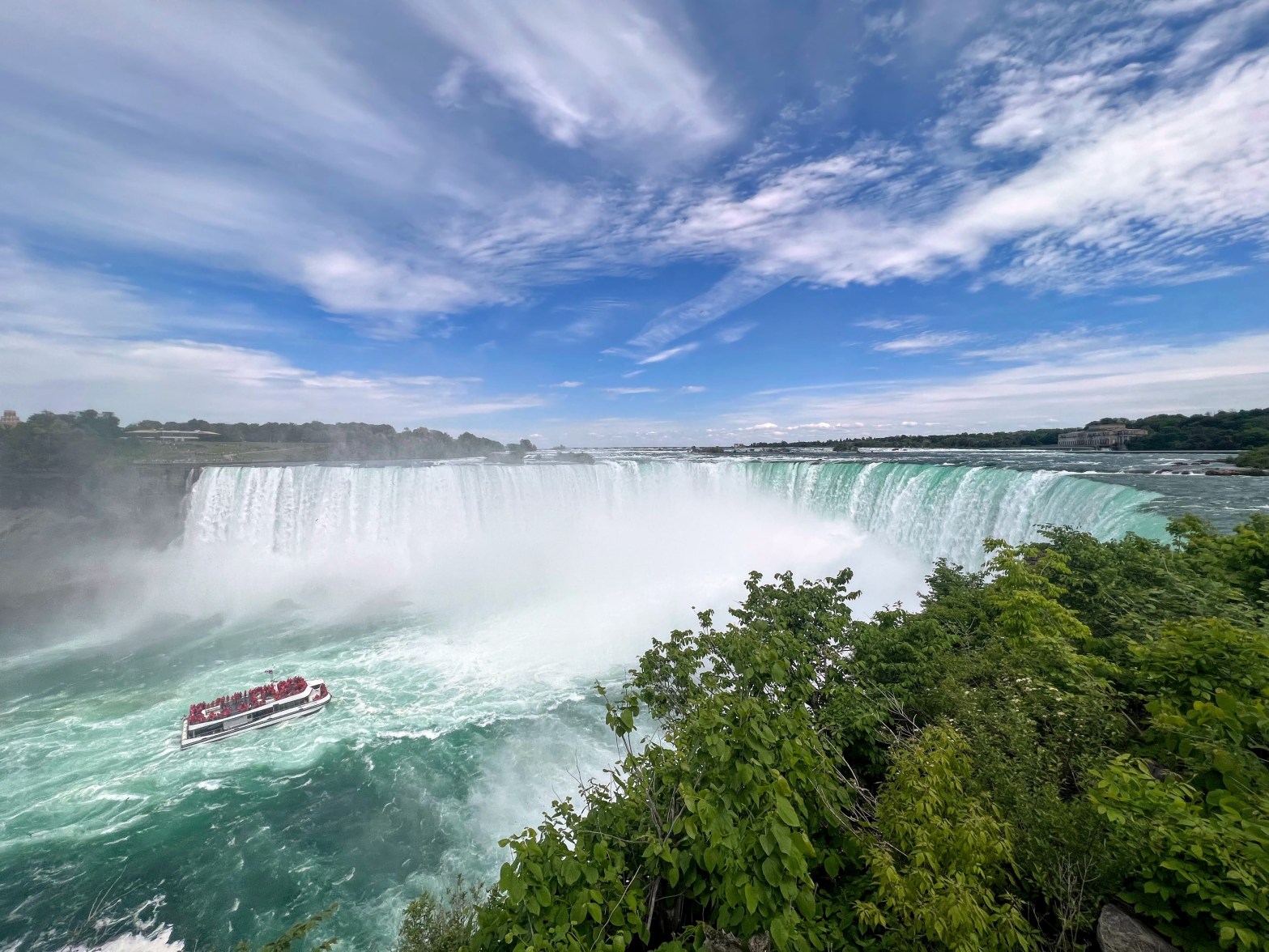
Verse 8 by Lao Zi: 上善若水。水善利万物而不争,处衆人之所恶,故几于道。居善地,心善渊,与善仁,言善信,正善治,事善能,动善时。夫唯不争,故无尤。
“The highest good is like water.
Water benefits all things without competing,
And it dwells in places that others disdain.
Thus, it is close to the Dao.
In dwelling, live close to the land.
In the heart, keep to the depths.
In relationships, be kind.
In speech, be truthful.
In governance, be just.
In action, be capable.
In movement, be timely.
Only when one does not compete,
is one beyond reproach.”
[Written by ChatGPT]
The eighth verse of the Daodejing is a blueprint for harmonious living, covering multiple aspects of life: personal conduct, relationships, leadership, communication, decision-making, and the philosophy of non-contention. Laozi uses the metaphor of water, which is adaptable, humble, and powerful precisely because of its softness.
1. “The Highest Good is Like Water” (上善若水) – Embracing the Way of Water
Teaching: The Greatest Virtue is to Flow with Life
Laozi equates the highest form of goodness with water, suggesting that the ideal way to live is:
- Adaptable yet unwavering in purpose
- Nourishing yet humble
- Strong yet soft
Elaboration:
- Water takes the shape of its container, just as we should adapt to changing circumstances without resistance.
- It flows to low places, symbolizing humility—those who do not seek status or dominance tend to be the most enduring.
- Despite its softness, water wears down the hardest stone, teaching that gentleness is more powerful than brute force over time.
How to Apply This in Life:
- Be adaptable: Instead of resisting change, flow with life’s currents.
- Practice humility: True wisdom and strength come from serving others without seeking credit.
- Use gentle persistence: Like water shaping a canyon, steady effort over time achieves more than forceful action.
2. “Water Benefits All Things and Does Not Compete” (水善利万物而不争) – Living Selflessly
Teaching: True Goodness Comes from Benefiting Others Without Seeking Credit
- Water nourishes all life but does not ask for anything in return.
- Similarly, the wisest people contribute to the world selflessly, without the need for recognition or competition.
Elaboration:
- Many people struggle for recognition, but those who quietly help others gain lasting influence.
- In relationships, work, and leadership, those who serve without selfish motives are the most respected and valued.
How to Apply This in Life:
- Give without expecting: Help others not for status, but because it’s the right thing to do.
- Avoid unnecessary competition: Instead of trying to outshine others, focus on creating real value.
- Lead through service: The best leaders put others’ needs first.
3. “It Stays in Places That People Avoid, Thus It is Close to the Dao” (处众人之所恶,故几于道) – Humility is Strength
Teaching: The Greatest Power Lies in Humility
- Water flows to the lowest places, symbolizing that humility aligns with the Dao.
- Just as water does not resist gravity, wise individuals do not seek status, fame, or dominance.
Elaboration:
- Many people seek power, status, or wealth, but Laozi teaches that those who are content with simplicity and humility are closest to the Dao.
- The humble and unnoticed often have the greatest wisdom and peace.
How to Apply This in Life:
- Be comfortable in simplicity: Find happiness in inner peace rather than external recognition.
- Let go of pride: The ego seeks to be above others, but true wisdom embraces humility.
4. “In Dwelling, Be Close to the Land” (居善地) – Staying Grounded in Life
Teaching: Stay Rooted in What Truly Matters
- Water settles in low places, symbolizing that one’s foundation in life should be strong and stable.
- This can mean choosing a simple, peaceful lifestyle rather than chasing material excess.
Elaboration:
- Many people chase status and wealth, but true fulfillment comes from being at peace with where you are.
- Physical environment matters—choosing a harmonious place to live fosters a calm and stable mind.
How to Apply This in Life:
- Live simply: Find peace in a stable home and environment.
- Seek inner security rather than external validation.
- Ground yourself in meaningful values, not fleeting desires.
5. “In the Heart, Be Deep Like a Pool” (心善渊) – Cultivating Depth and Wisdom
Teaching: A Wise Person is Calm, Reflective, and Deep
- A deep pool of water is still, clear, and able to reflect everything.
- Likewise, a wise mind is calm and profound, not restless and shallow.
Elaboration:
- Many people are easily agitated or reactive, but wisdom comes from stillness and deep contemplation.
- A deep heart listens before acting, considering all perspectives before making decisions.
How to Apply This in Life:
- Cultivate inner stillness: Spend time in quiet reflection or meditation.
- Think deeply before acting: Like still water, a calm mind makes better decisions.
6. “In Relationships, Be Kind” (与善仁) – Practicing Compassion
Teaching: Treat Others with Compassion and Generosity
- Water nourishes everything it touches, just as kindness sustains relationships.
Elaboration:
- Compassion is more effective than force in resolving conflicts.
- People are drawn to those who uplift them, just as all life is drawn to water.
How to Apply This in Life:
- Show kindness without expecting a return.
- Practice patience and empathy, even when dealing with difficult people.
7. “In Speech, Be Truthful” (言善信) – Speaking with Integrity
Teaching: Speak Honestly and Thoughtfully
- Just as clear water reflects reality accurately, our words should be honest and sincere.
- Deception leads to confusion and distrust.
Elaboration:
- Many people speak to manipulate or impress, but true wisdom is truthful and direct.
- Honesty builds trust, which strengthens relationships.
How to Apply This in Life:
- Speak with sincerity, avoiding lies or exaggeration.
- Choose words carefully—like water, gentle speech can erode even the hardest resistance.
8. “In Governance, Be Just” (正善治) – Leading with Fairness
Teaching: Good Leadership is Fair and Impartial
- Just as water flows evenly, a wise leader governs with balance and justice.
Elaboration:
- Leaders should prioritize fairness over personal gain.
- Those who rule with integrity gain the respect of their people.
How to Apply This in Life:
- Lead with fairness and compassion, ensuring everyone is treated with dignity.
- Avoid favoritism and corruption in any leadership role.
9. “In Actions, Be Skillful” (事善能) – Mastery in Work
Teaching: Do Everything with Excellence
- Water flows effortlessly yet perfectly, adapting to any shape.
- Likewise, we should perform our tasks with precision and care.
Elaboration:
- The best work is done with full presence and skill.
- Success comes from effortless mastery, not forceful struggle.
How to Apply This in Life:
- Approach work with focus and patience.
- Be adaptable, learning to adjust to challenges like water.
10. “In Movement, Be in Harmony with the Right Time” (动善时) – Patience and Timing
Teaching: Move in Accordance with Nature’s Timing
- Water does not rush, but moves at the right time and place.
Elaboration:
- Rushing leads to failure, while waiting for the right moment brings success.
- Timing is everything in decision-making.
How to Apply This in Life:
- Do not force things—wait for the right opportunity.
- Trust the natural flow of events rather than resisting them.
Conclusion: The Power of Flowing with Life
The eighth verse of the Daodejing teaches that the highest wisdom is to be like water—gentle yet strong, adaptable yet unwavering, selfless yet enduring. By embodying humility, patience, kindness, and non-contention, we align with the Dao and experience a more peaceful, successful, and fulfilling life.
Word-by-Word Breakdown of Verse 8 of the Daodejing
Original Chinese Text
上善若水。
水善利万物而不争,处众人之所恶,故几于道。
居善地,心善渊,
与善仁,言善信,
正善治,事善能,
动善时。
夫唯不争,故无尤。
Line 1: 上善若水
- 上 (shàng) – Highest, supreme, greatest
- 善 (shàn) – Goodness, virtue, kindness
- 若 (ruò) – Like, resembles
- 水 (shuǐ) – Water
Translation:
“The highest goodness is like water.”
Interpretation:
- The greatest virtue is to behave like water—humble, adaptable, and nourishing.
- Water does not force its way but flows naturally to benefit all things.
Line 2: 水善利万物而不争,处众人之所恶,故几于道
- 水 (shuǐ) – Water
- 善 (shàn) – Excels in, is good at
- 利 (lì) – Benefiting, nourishing, helping
- 万物 (wàn wù) – All things, everything in existence
- 而 (ér) – And, yet
- 不 (bù) – Not
- 争 (zhēng) – Compete, fight, struggle
- 处 (chǔ) – Dwells, settles in
- 众人 (zhòng rén) – Many people, the masses
- 之 (zhī) – Possessive particle, meaning “of”
- 所 (suǒ) – That which, what
- 恶 (wù) – Dislike, detest, avoid
- 故 (gù) – Therefore, thus
- 几于 (jī yú) – Close to, near
- 道 (dào) – The Dao, the Way, the natural order
Translation:
“Water benefits all things and does not compete.
It dwells in places that people avoid,
Thus, it is close to the Dao.”
Interpretation:
- Water nourishes all things selflessly, just as virtuous people contribute to the world without seeking reward.
- Water flows to low places, symbolizing humility; the wise do not seek status.
- Because water follows nature effortlessly, it is in harmony with the Dao.
Line 3: 居善地
- 居 (jū) – Dwell, reside
- 善 (shàn) – Best, ideal, good at
- 地 (dì) – Place, land
Translation:
“In dwelling, be close to the land.”
Interpretation:
- Be grounded—live in a simple, stable place.
- Physically, this means choosing a peaceful environment; metaphorically, it means being firmly rooted in values.
Line 4: 心善渊
- 心 (xīn) – Heart, mind, inner self
- 善 (shàn) – Good, virtuous
- 渊 (yuān) – Deep, profound, like a deep pool of water
Translation:
“In the heart, be deep like a pool.”
Interpretation:
- A wise heart should be calm, deep, and reflective, rather than shallow and impulsive.
- Just as a still pool reflects clearly, a quiet mind allows deep wisdom.
Line 5: 与善仁
- 与 (yǔ) – Interact with, associate with
- 善 (shàn) – Best, virtuous
- 仁 (rén) – Kindness, benevolence, human-heartedness
Translation:
“In relationships, be kind.”
Interpretation:
- Interact with others with compassion, just as water nourishes all life.
- Treat people with gentleness and understanding, avoiding unnecessary conflict.
Line 6: 言善信
- 言 (yán) – Words, speech
- 善 (shàn) – Good, virtuous
- 信 (xìn) – Honesty, trustworthiness
Translation:
“In speech, be truthful.”
Interpretation:
- Speak with honesty and sincerity.
- Words, like water, should be clear and trustworthy, reflecting the truth without distortion.
Line 7: 正善治
- 正 (zhèng) – Governance, righteousness, justice
- 善 (shàn) – Good, virtuous
- 治 (zhì) – Govern, regulate, manage
Translation:
“In governance, be just.”
Interpretation:
- A wise ruler should govern with fairness, like water that flows evenly to all places.
- Justice should be impartial and natural, avoiding corruption and favoritism.
Line 8: 事善能
- 事 (shì) – Work, actions, dealings
- 善 (shàn) – Good, virtuous, skillful
- 能 (néng) – Able, competent, capable
Translation:
“In actions, be skillful.”
Interpretation:
- Do things with excellence and care, without waste or struggle.
- Like water that flows naturally yet powerfully, actions should be efficient and precise.
Line 9: 动善时
- 动 (dòng) – Movement, action
- 善 (shàn) – Best, ideal, good at
- 时 (shí) – Timing, season, the right moment
Translation:
“In movement, be in harmony with the right time.”
Interpretation:
- Timing matters—just as water moves when the moment is right, we should act when conditions are optimal.
- Avoid rushing or forcing things; instead, align actions with the natural flow of life.
Line 10: 夫唯不争,故无尤
- 夫唯 (fū wéi) – Only by, because
- 不 (bù) – Not
- 争 (zhēng) – Struggle, compete
- 故 (gù) – Therefore
- 无 (wú) – Without, no
- 尤 (yóu) – Fault, blame, mistake
Translation:
“Only by not competing, there is no blame.”
Interpretation:
- Struggle leads to conflict and resentment, while non-contention leads to peace.
- Just as water follows the path of least resistance, we should avoid unnecessary struggles and let things unfold naturally.
Summary of Key Teachings
| Concept | Teaching from Verse 8 |
|---|---|
| Adaptability | Be like water—gentle yet powerful. |
| Humility | Water flows to low places, just as wise people remain humble. |
| Selflessness | Benefit others without seeking recognition. |
| Deep Thinking | Keep a calm, deep, reflective heart. |
| Compassion | Treat others with kindness and patience. |
| Honesty | Speak truthfully, without deception. |
| Fair Leadership | Govern justly, like water that nourishes all equally. |
| Skillfulness | Perform tasks with precision and care. |
| Right Timing | Act only when the conditions are optimal. |
| Non-Contention | Avoid unnecessary struggle—flow with life. |
Final Reflection
The eighth verse of the Daodejing offers a complete guide for living wisely and harmoniously. By imitating water, we learn that softness overcomes hardness, humility leads to strength, and those who do not compete ultimately succeed.
 UpLive.Life
3 thoughts on “Flow Like Water: Wisdom of the Eighth Verse of the Daodejing”